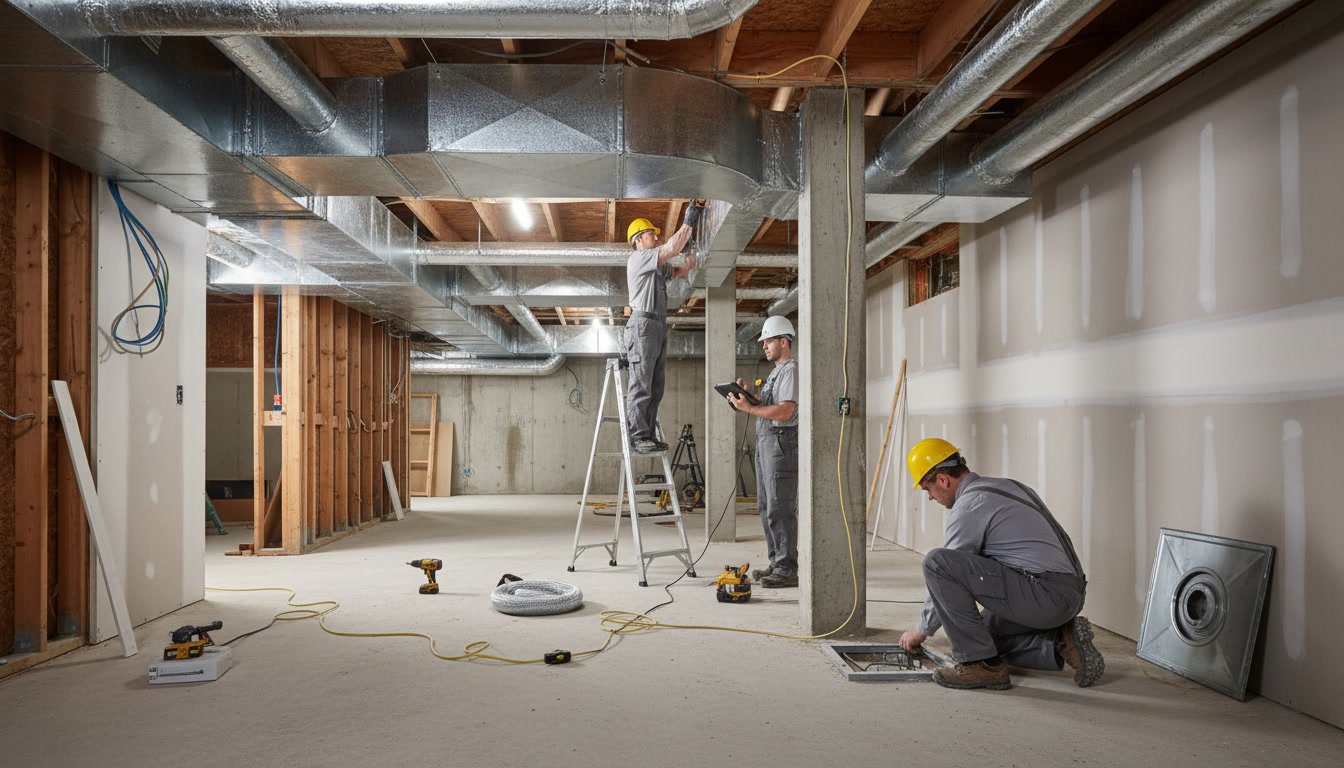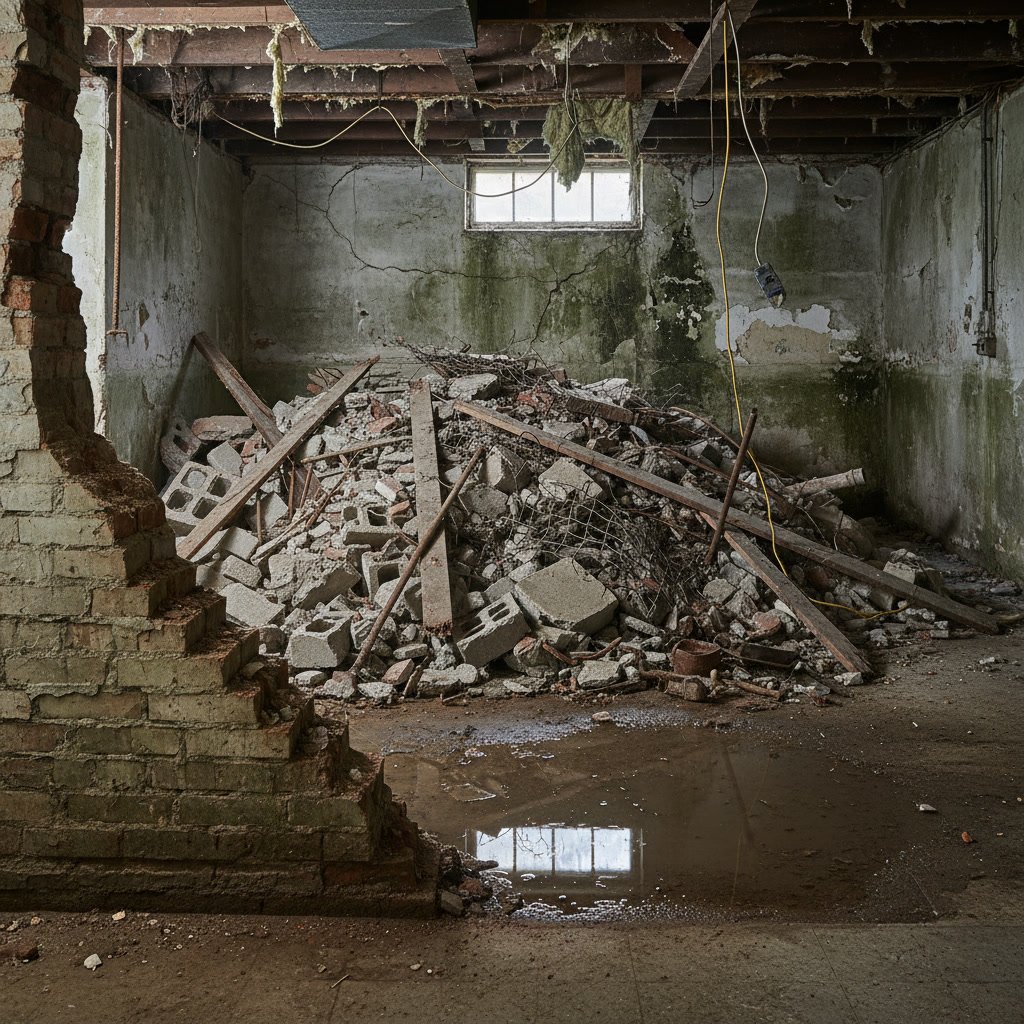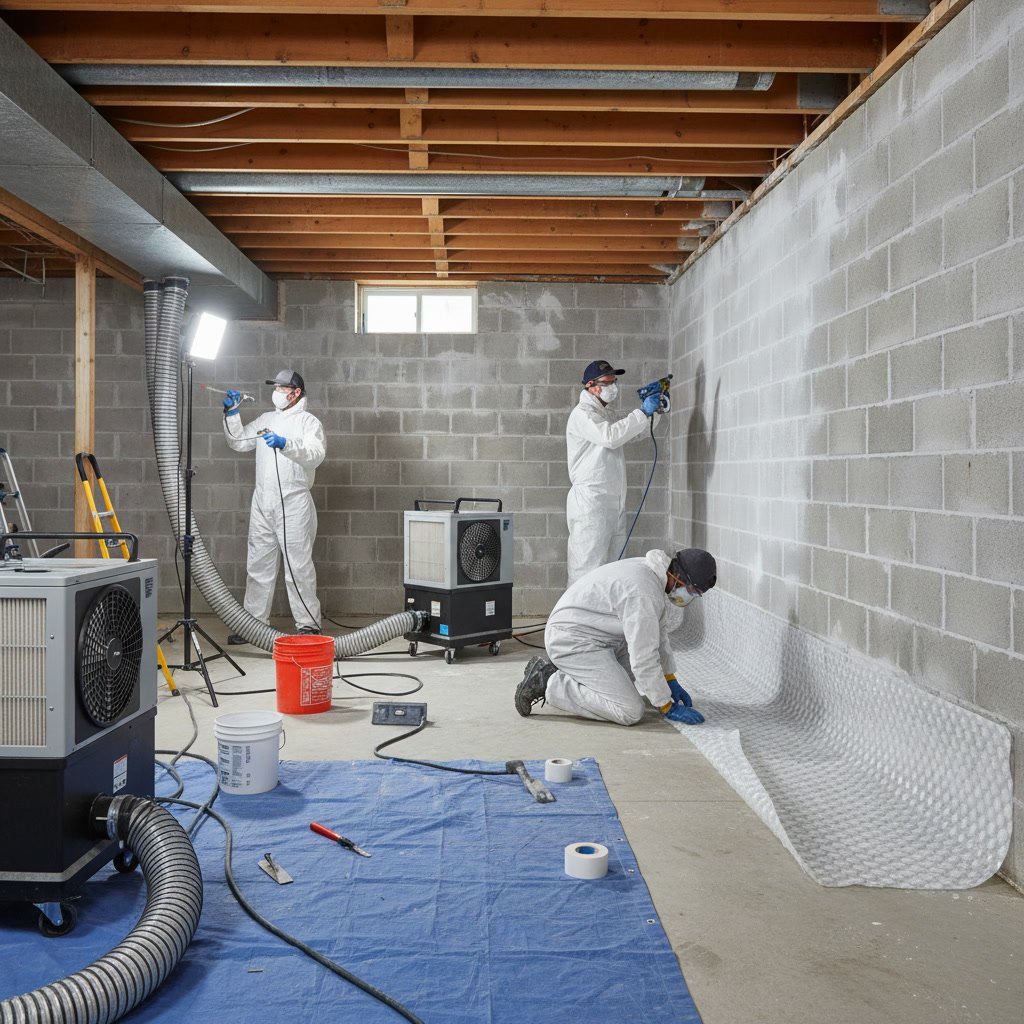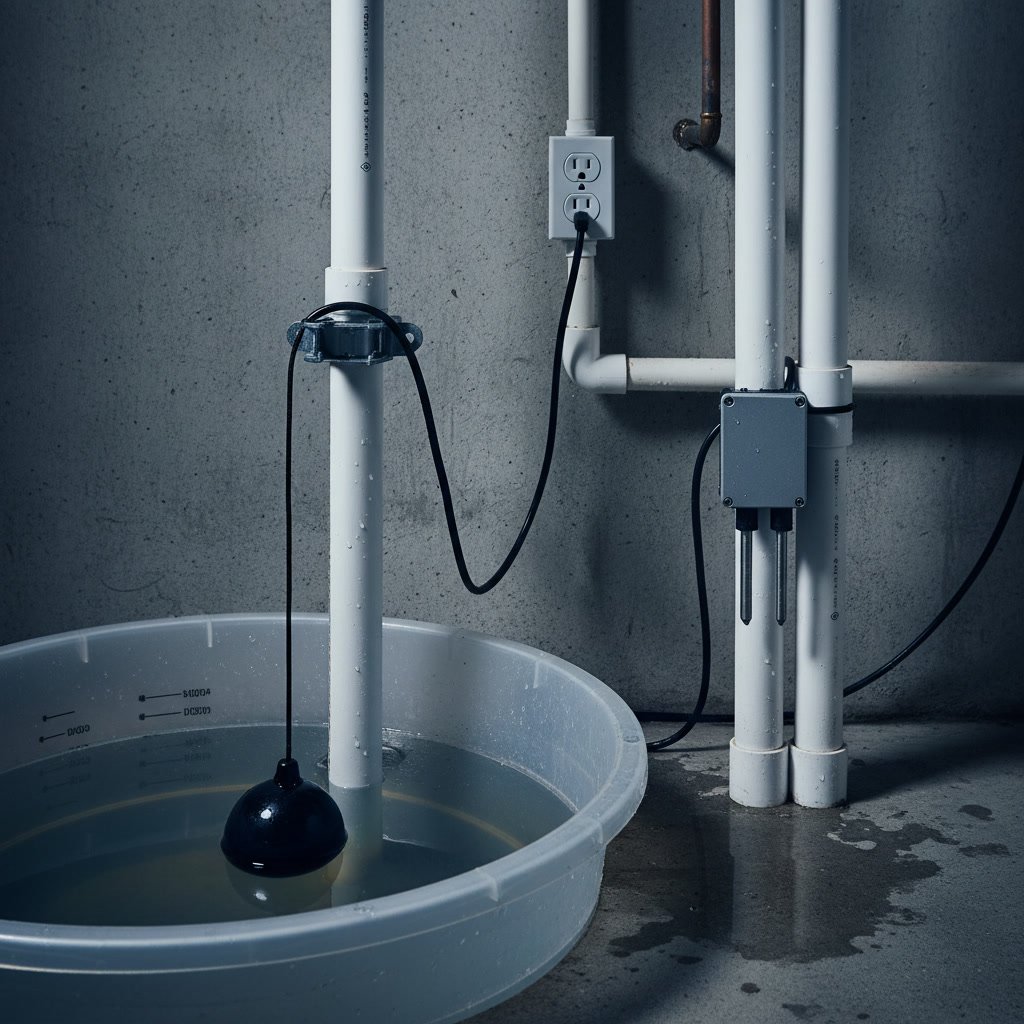
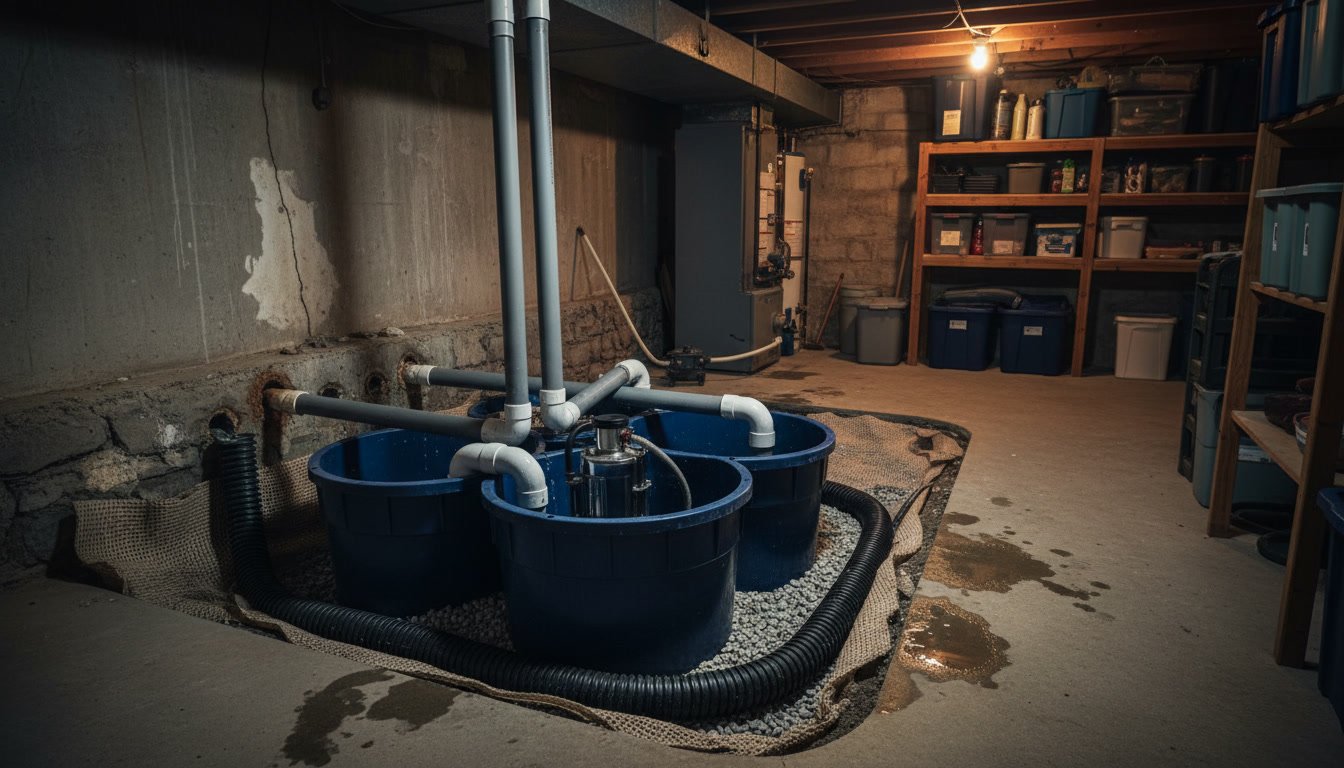
A basement drainage system upgrade addresses structural water intrusion issues that a sump pump alone cannot solve. While replacing a failing pump might seem like the obvious fix, persistent moisture, cracks that widen over time, or water entering from multiple locations indicates the drainage infrastructure itself has failed. Upgrading the entire system involves installing perimeter drains, weep holes, and properly graded discharge lines that intercept water before it reaches your living space.
Many homeowners discover their sump pump runs constantly yet water still pools in corners or seeps through foundation walls. This pattern reveals that water is entering faster than a single collection point can handle, or that it is bypassing the pump entirely through compromised foundation perimeters.
Understanding How Complete Drainage Systems Differ From Standalone Pumps
Sump pumps serve as the final collection and removal point in a larger water management network. They sit in a basin and evacuate water that drains into that specific location. A comprehensive drainage system, by contrast, includes perimeter channels, gravel beds, filter fabric, and sloped pathways that guide groundwater away from foundation walls before it ever penetrates the concrete.
The distinction matters because pumps address symptoms while drainage infrastructure prevents the root cause. When soil around your foundation becomes saturated, hydrostatic pressure builds against basement walls. Without relief channels, that pressure forces water through any available crack, seam, or porous section of concrete.
Your Pump Runs Constantly But Water Still Appears
A pump that cycles every few minutes during dry weather signals that groundwater is overwhelming the collection capacity. This happens when water enters the basement through foundation walls or floor joints faster than it can flow to the sump basin. The pump works correctly, but it is fighting a losing battle against water that arrives from multiple uncontrolled entry points.
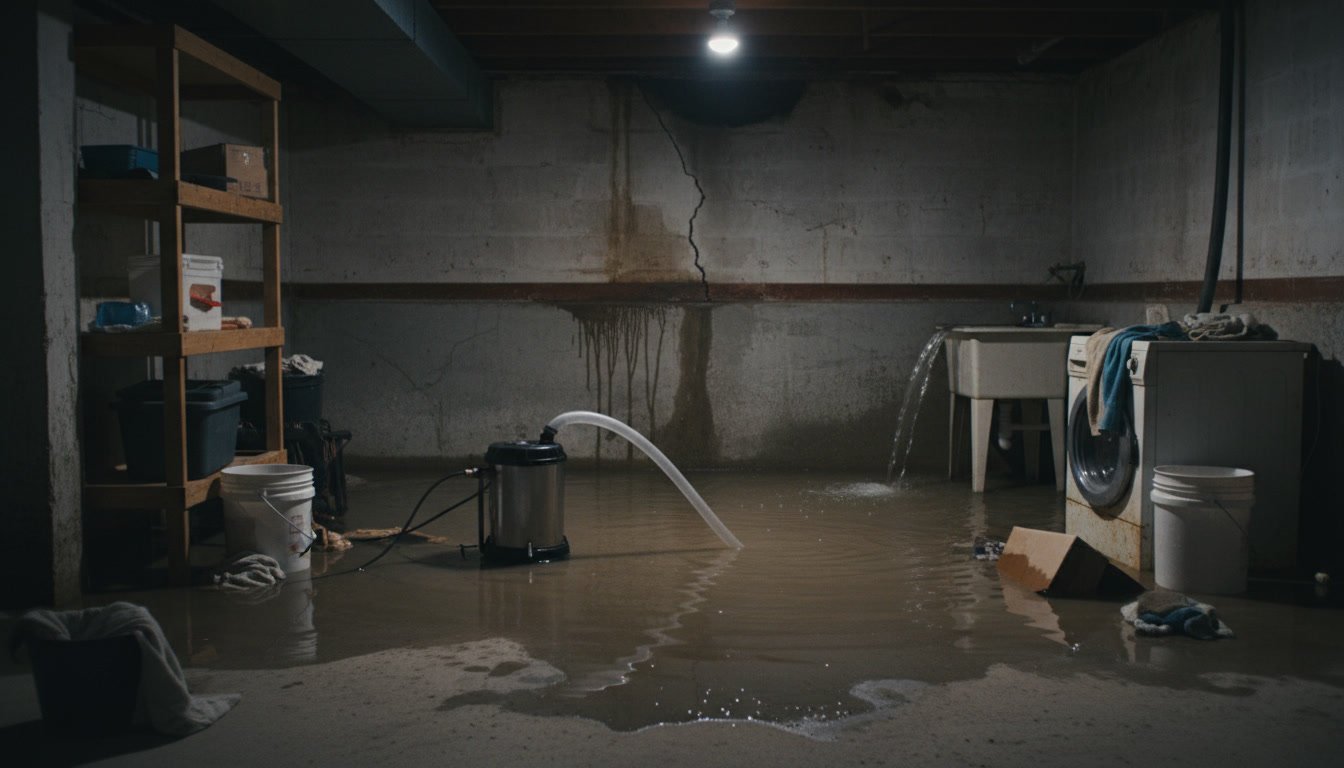
Homeowners often install a second or larger pump hoping to solve this issue. The real problem is that water needs to be intercepted at the foundation perimeter, not just removed after it has already entered. Interior perimeter drains installed along the footer create a continuous collection trench that captures water at the foundation edge and channels it to the pump basin through a controlled path.
Multiple Wet Spots Appear Far From Your Sump Basin
Water pooling in corners opposite your sump pump location indicates that drainage pathways do not exist to move that water to the collection point. Gravity alone will not transport water across a flat basement floor. Without sloped channels or perimeter trenches, moisture simply accumulates wherever it penetrates.
This problem becomes especially apparent in finished basements where carpeting or flooring hides the water movement. By the time you notice dampness, water has been sitting against foundation walls long enough to wick through drywall and insulation. A proper basement waterproofing system includes drainage that runs the entire foundation perimeter, ensuring every section has a path to the pump.
Foundation Cracks Keep Growing Despite Repairs
Cracks that reappear or widen after patching reveal ongoing hydrostatic pressure against your foundation. Epoxy or hydraulic cement fills the visible gap but does nothing to relieve the underground water pressure causing the crack. As seasonal water tables rise and fall, that pressure continues to stress the concrete.
Installing exterior or interior drainage relieves this pressure by giving water an escape route that does not involve forcing through your foundation. The same principle applies whether you have poured concrete walls or concrete block construction. NH Dry Basement LLC often installs interior perimeter systems that include weep holes drilled through the footer, allowing water trapped in wall cavities to drain into the collection channel rather than pushing through cracks.
Water Enters During Heavy Rain But Your Pump Never Activates
This scenario indicates water is bypassing your sump system entirely. It typically occurs when surface water or roof runoff overwhelms exterior grading and flows directly against foundation walls. Without perimeter drains to intercept this water, it seeps through at grade level or through window wells, never reaching the sump basin located at the lowest basement point.
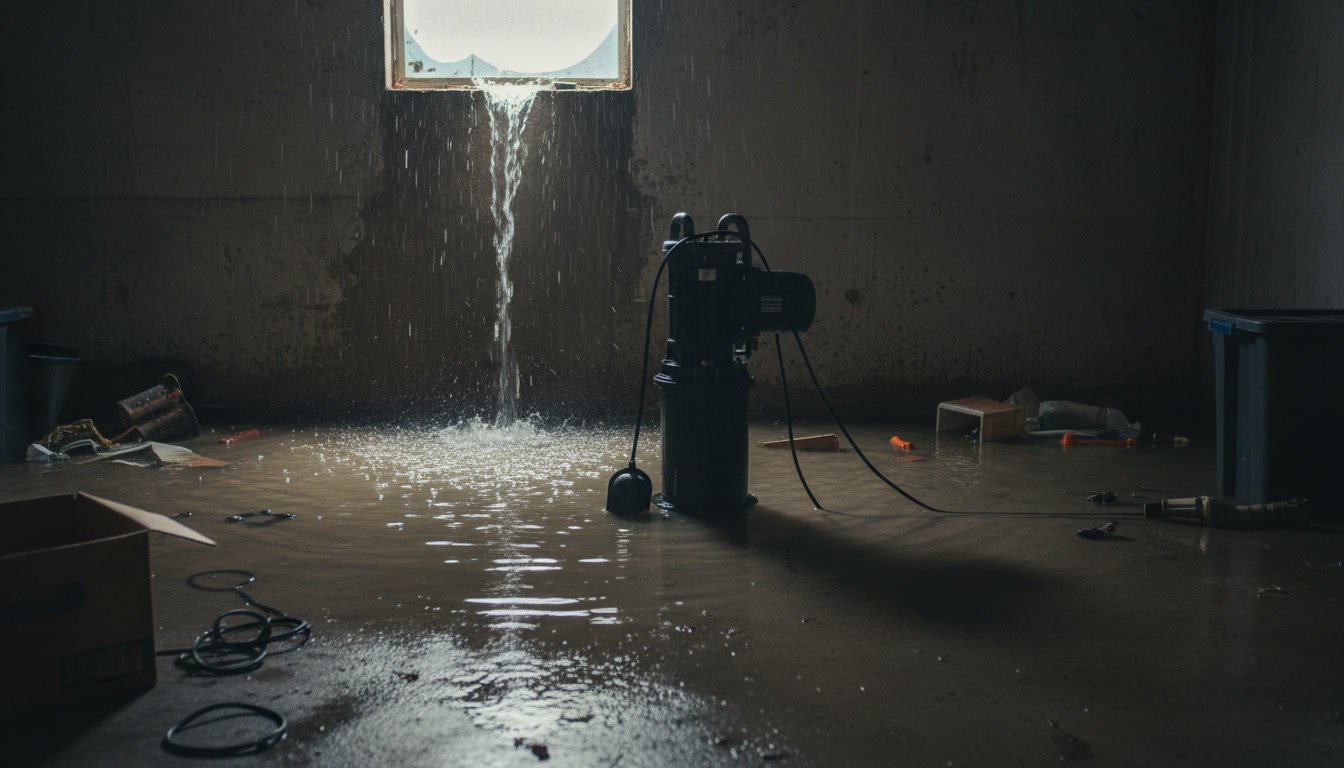
The solution requires addressing both interior and exterior drainage. While fixing grading and extending downspouts helps, many New Hampshire properties with high water tables or clay soil need interior perimeter systems regardless of exterior improvements. These systems work together, with exterior drainage handling surface water and interior channels managing groundwater that rises through the soil.
White Mineral Deposits or Efflorescence Cover Your Walls
Efflorescence appears as white, chalky deposits on concrete or masonry surfaces. It forms when water passes through the material, dissolving salts and minerals that crystallize on the surface as the water evaporates. The presence of efflorescence proves water is actively moving through your foundation walls.
A sump pump cannot address this issue because the water is entering through the walls themselves, not pooling on the floor. Stopping efflorescence requires preventing water from contacting the exterior foundation surface or installing interior drainage that relieves pressure and captures water before it penetrates. In many cases, combining vapor barrier installation with perimeter drainage creates a two-layer defense.
Musty Odors Persist Even With Dehumidifier Use in More Dover Homes
Persistent odors indicate ongoing moisture intrusion that evaporates into basement air rather than pooling visibly. This happens when water enters through foundation walls at a slow but constant rate. The moisture wicks into concrete, evaporates into the air, and creates ideal conditions for mold growth within wall cavities and on organic materials.
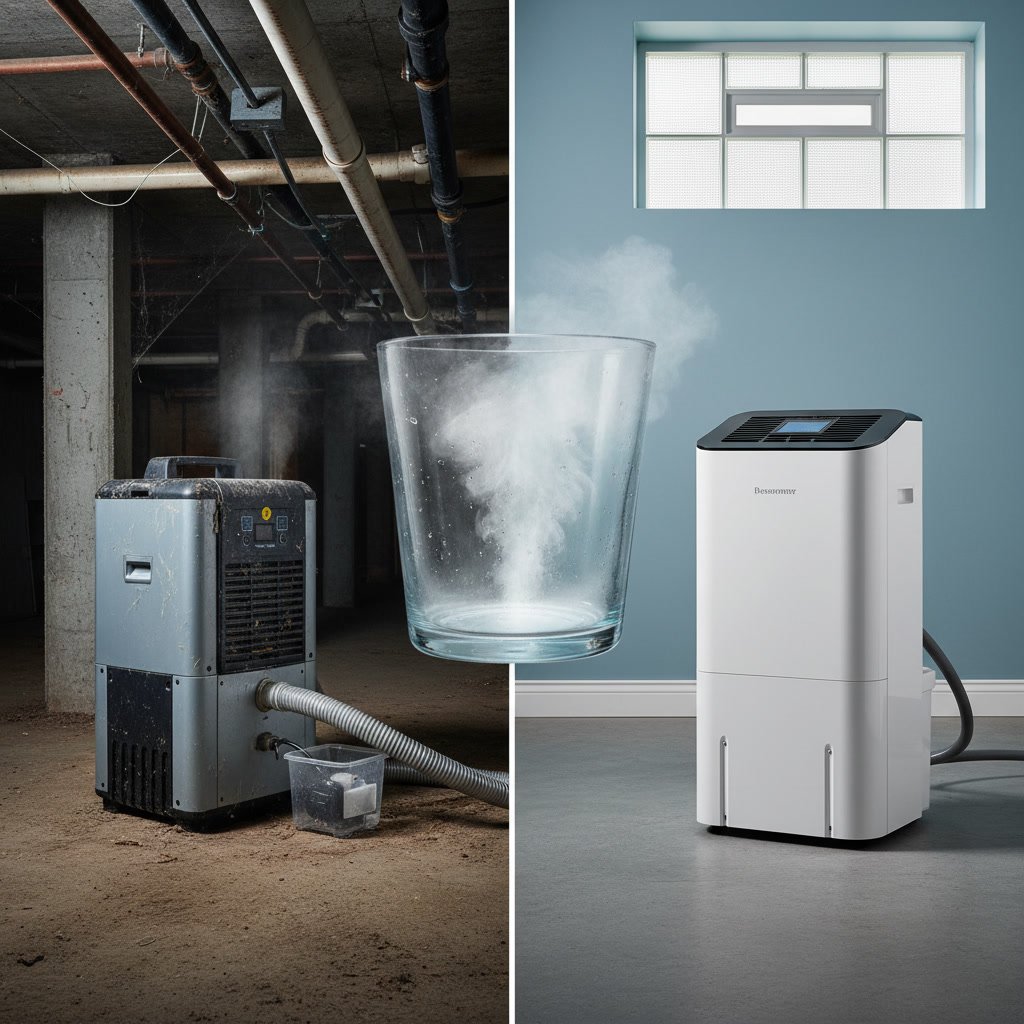
Running a dehumidifier treats the symptom by removing moisture from air, but it does nothing to stop water from entering. Homeowners who notice their dehumidifier empties constantly or struggles to maintain target humidity levels should investigate whether basement dehumidification alone is sufficient or whether drainage improvements are needed to stop the moisture source.
Your Basement Floor Shows Water Stains Between Wall and Slab
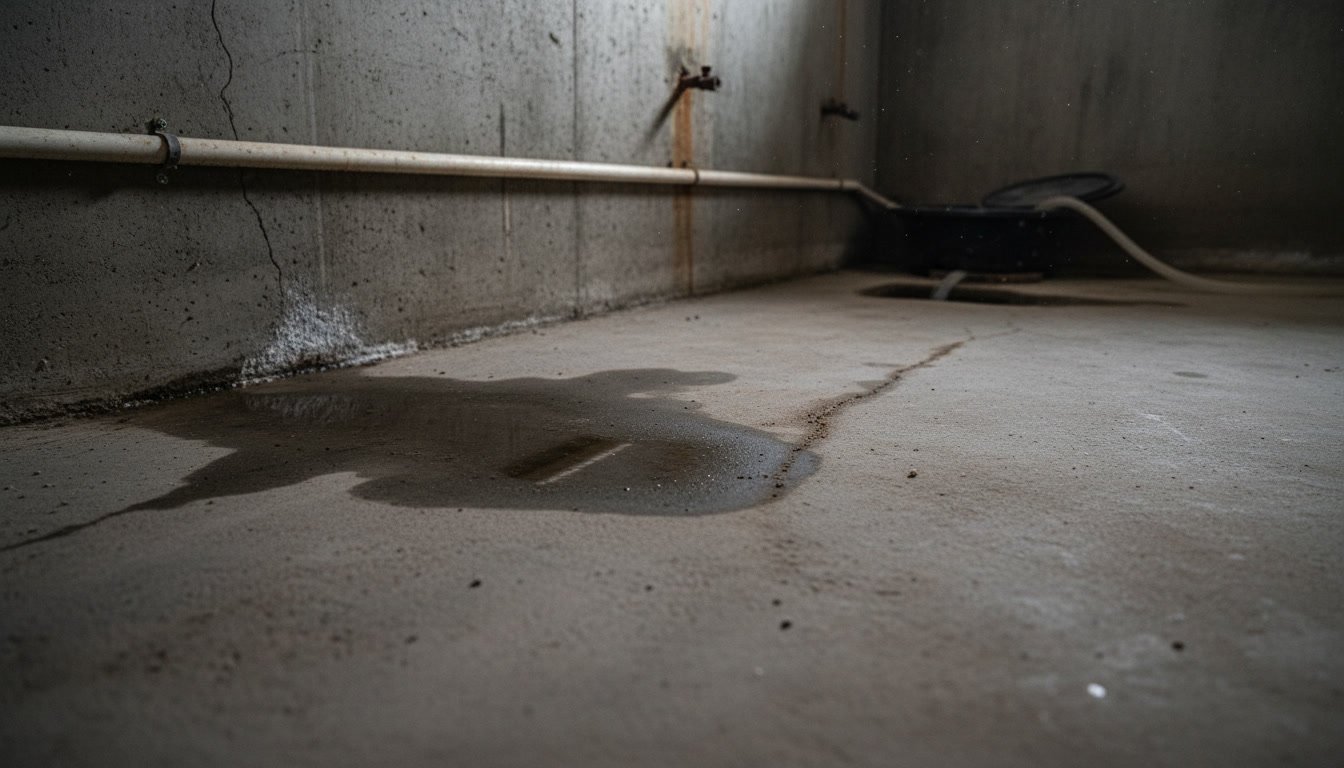
The joint where basement floor meets foundation wall represents one of the most common water entry points. This cove joint often develops gaps due to natural settling or hydrostatic pressure. Water following the path of least resistance flows through soil, hits the foundation footer, and rises through this joint into the basement.
Standard sump pumps do not address cove joint seepage because they only collect water that reaches the basin. An interior perimeter drain system installed along this joint captures water right at the entry point. Installation typically requires removing a strip of concrete along the perimeter, excavating to footer level, installing perforated pipe in a gravel bed, and restoring the floor with new concrete slabs.
Comparing Upgrade Costs to Recurring Water Damage Expenses
Homeowners often hesitate to invest in comprehensive drainage because the upfront cost exceeds a simple pump replacement. However, recurring water damage adds up quickly. One instance of wet carpeting, ruined drywall, or mold remediation can cost thousands. The structural damage from ongoing hydrostatic pressure, foundation cracks, and bowing walls eventually requires far more expensive repairs than proactive drainage installation.
A complete interior perimeter system typically costs between $4,000 and $15,000 depending on basement size, access challenges, and the extent of concrete removal required. This investment includes the drainage channel, new sump basin and pump, concrete restoration, and often a warranty covering the entire system. When compared to the cost of repairing water damage every few years, the upgrade usually pays for itself within the first five to seven years.
When Exterior Drainage Makes More Sense Than Interior Solutions
Exterior drainage systems installed during new construction or major excavation projects offer advantages over interior retrofits. They keep water away from the foundation entirely rather than managing it after it reaches the basement perimeter. Exterior systems include footer drains, waterproof membranes applied directly to foundation walls, and proper backfill with drainage stone.
The challenge with exterior drainage in existing homes is the excavation cost and landscape disruption. Digging around the entire foundation perimeter, waterproofing walls, and installing new drains requires heavy equipment, removal of decks or landscaping, and significant labor. For most existing homes, interior perimeter systems provide equivalent water control at a fraction of the cost and disruption. The choice depends on access, soil conditions, and whether other foundation work is already planned.
Protecting Your Investment With the Right Drainage Solution
Recognizing these warning signs early prevents the escalating damage that occurs when water management remains inadequate. A sump pump serves an essential role, but it functions as one component within a larger system designed to control groundwater before it becomes a basement problem.
The family-owned team at NH Dry Basement LLC has helped homeowners throughout the seacoast region understand when pump replacement solves the issue and when a complete system upgrade is necessary. Proper assessment includes examining foundation type, soil conditions, water table levels, and the specific patterns of water entry your home experiences. This evaluation ensures the solution matches the problem rather than applying a one-size-fits-all approach.
If you are seeing any of these warning signs in your basement, a professional inspection can determine whether you need a simple repair or a comprehensive upgrade. Call +16032359598 to schedule an assessment and learn which solution will keep your basement dry for the long term.