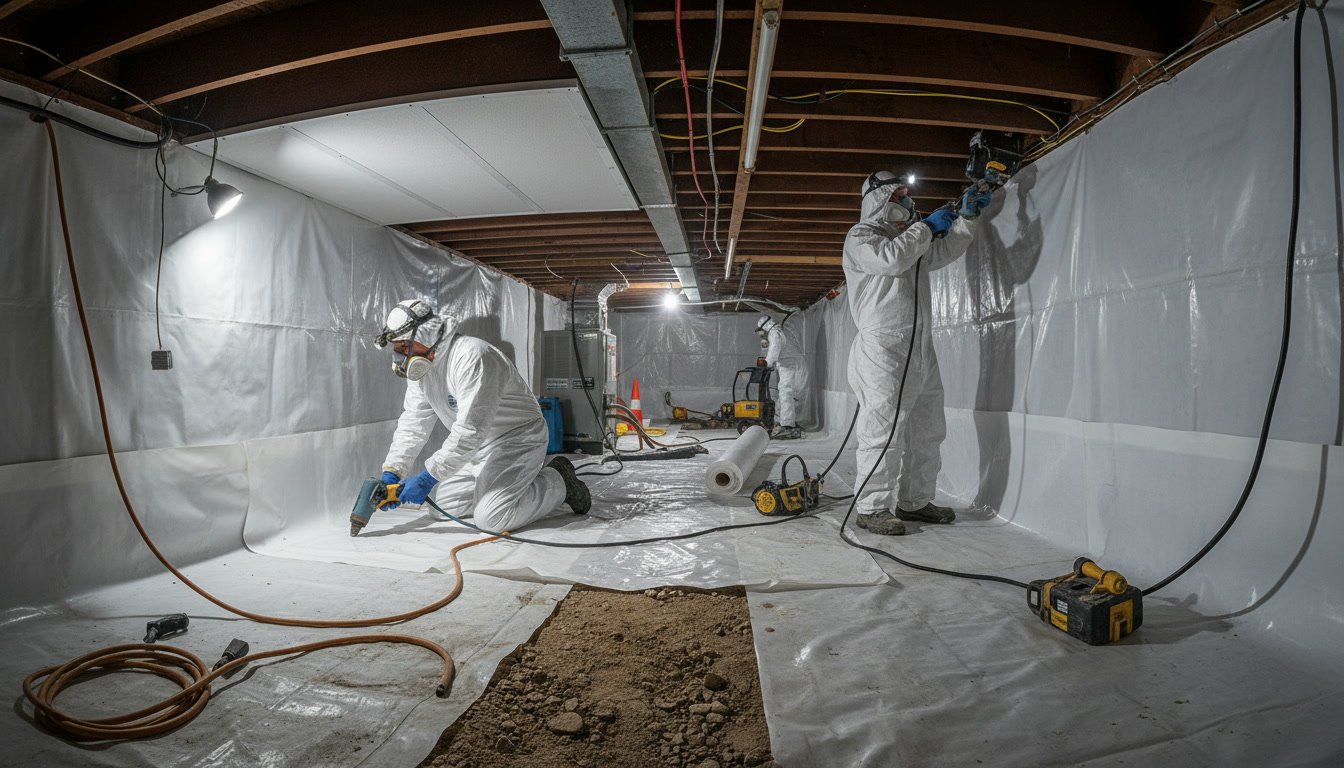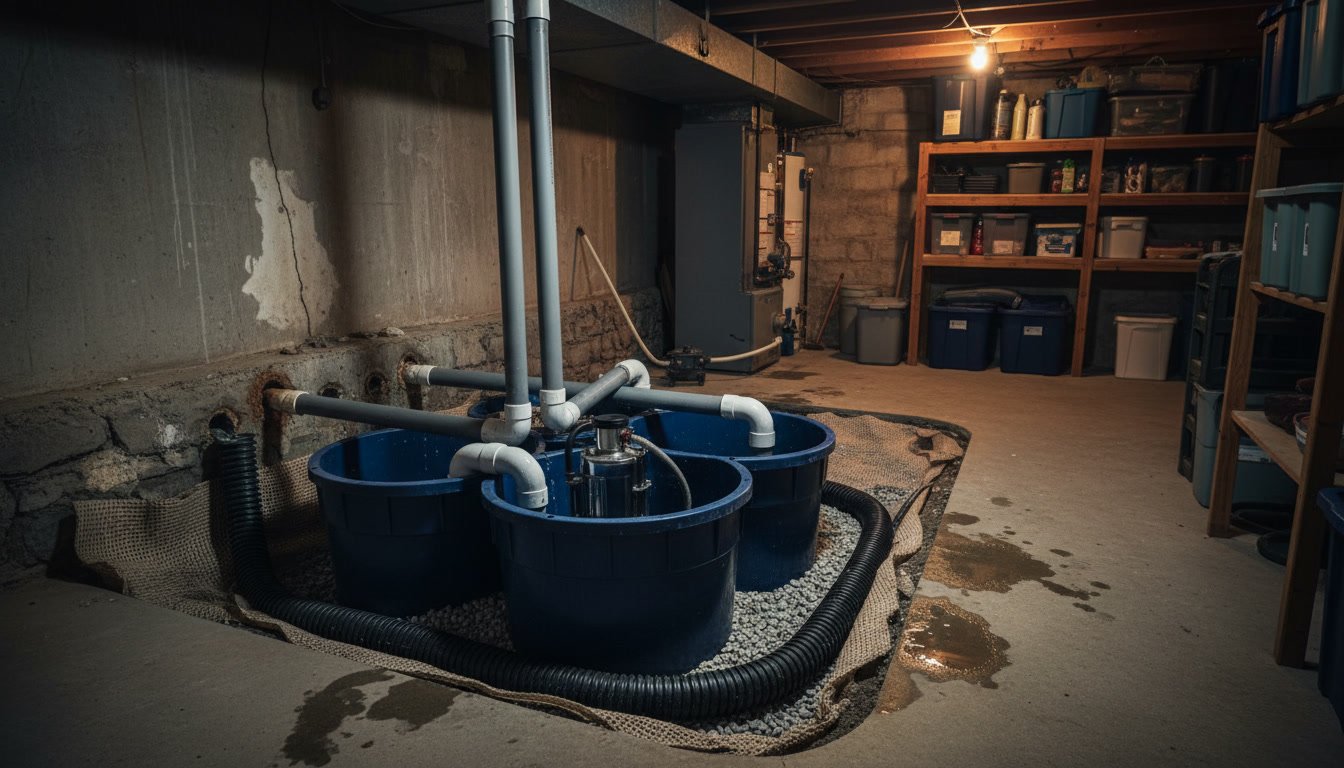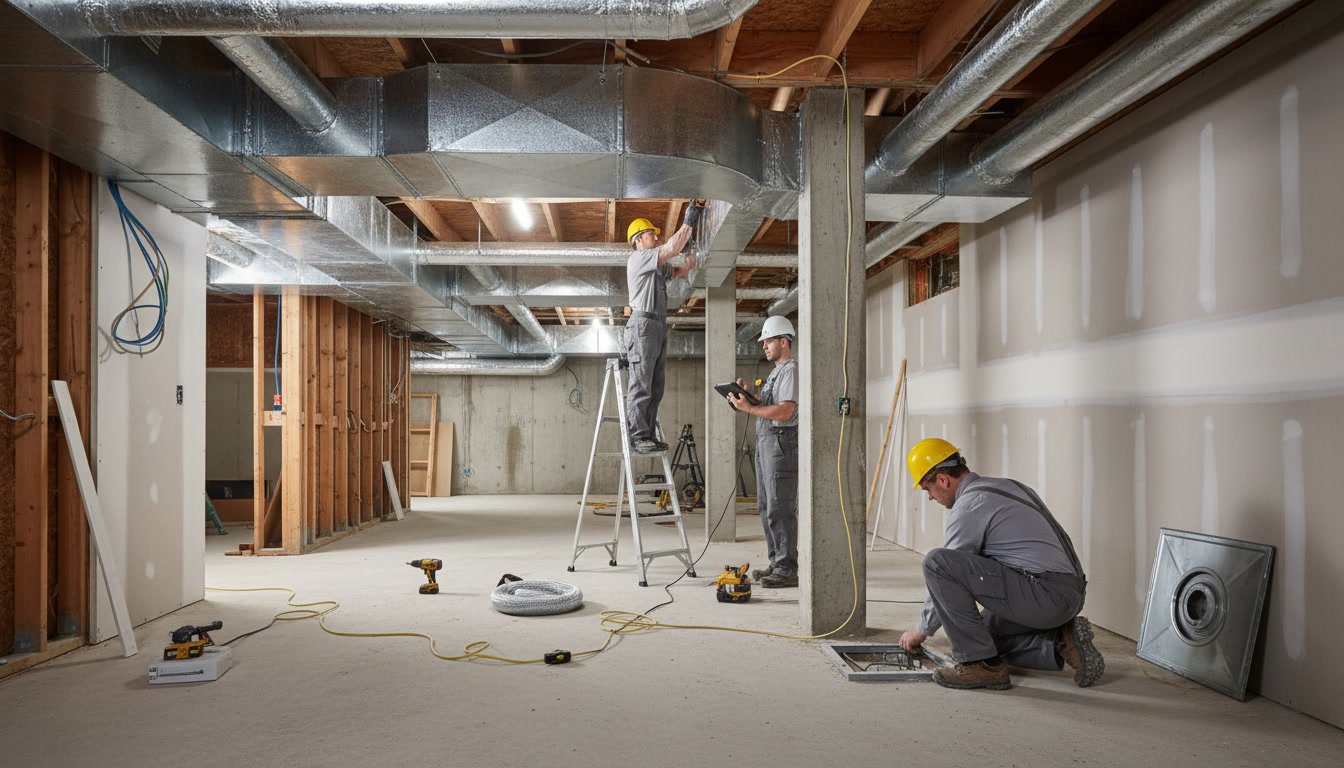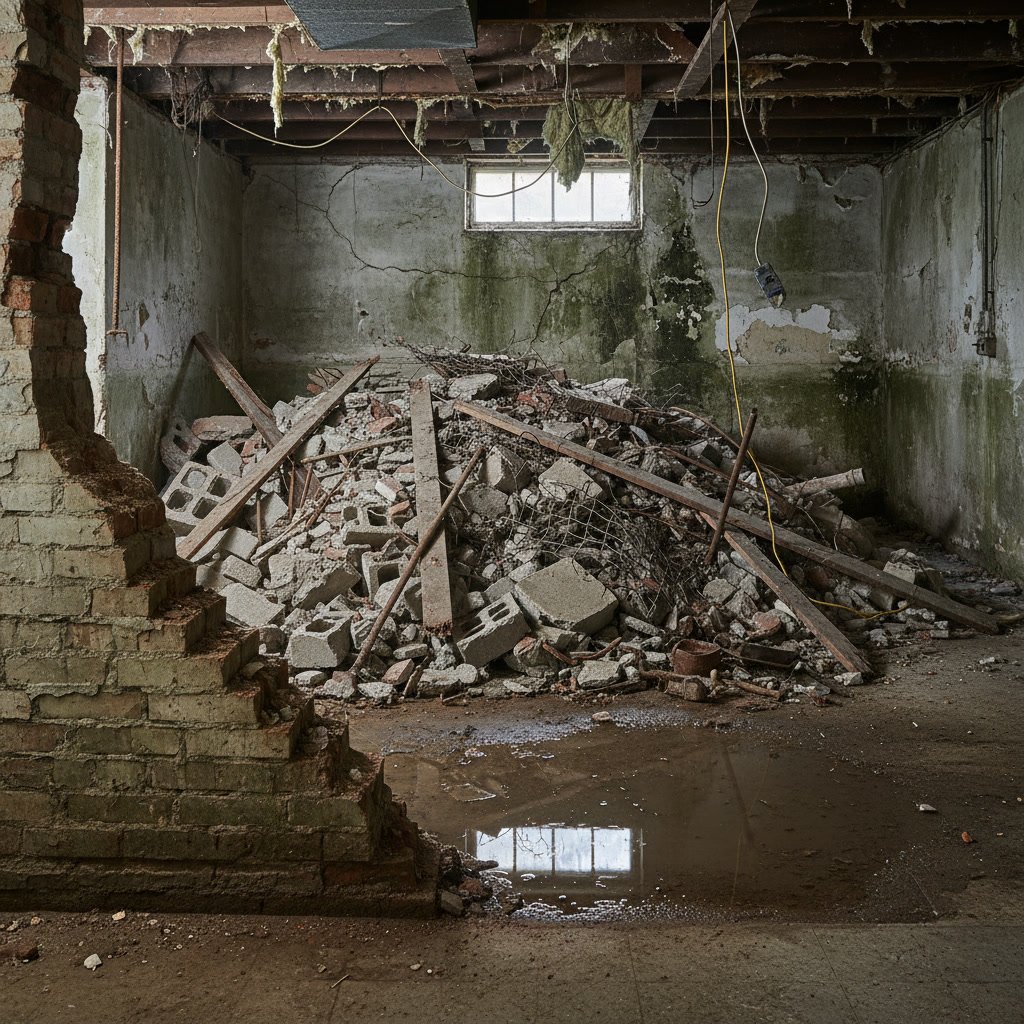
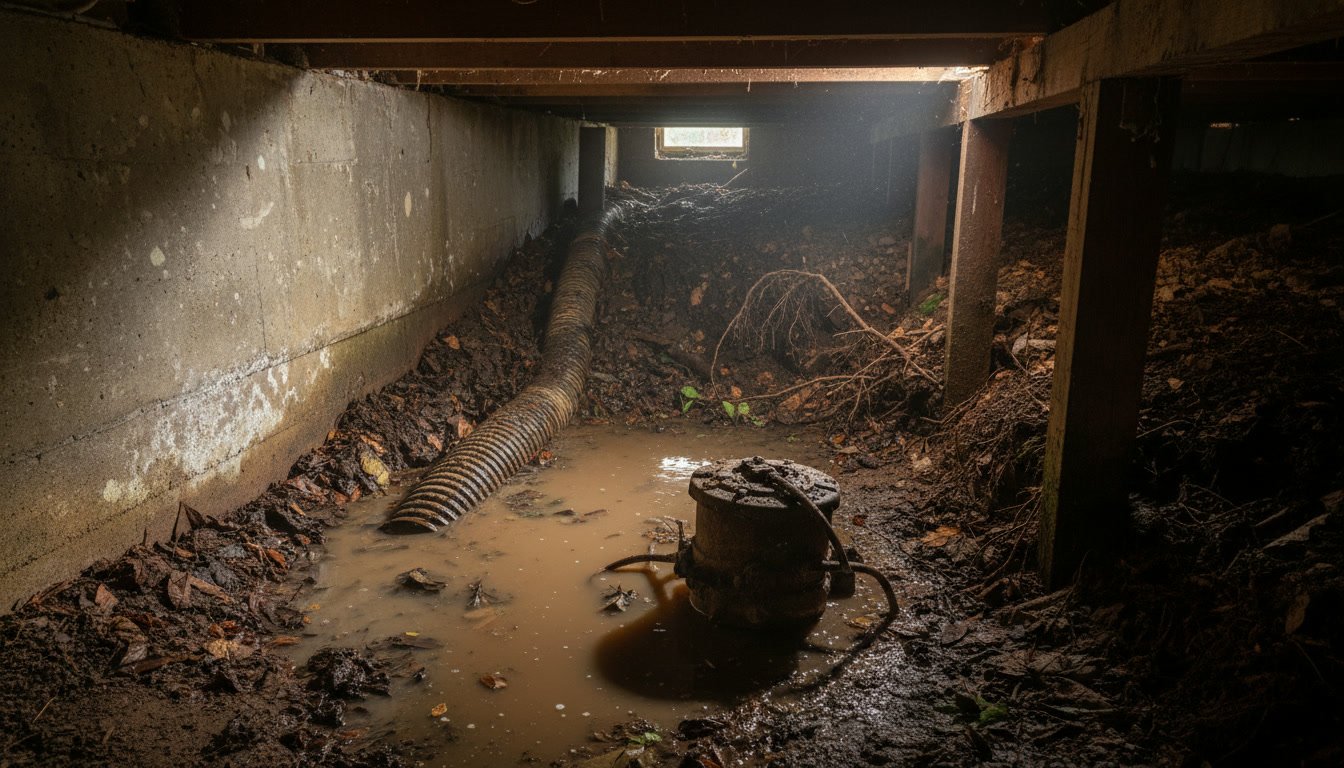
A crawl space drainage clogged with debris, soil, or roots allows water to pool around your foundation instead of directing it safely away from your home. Standing water in a crawl space creates vapor that penetrates foundation walls, supports mold growth, and damages floor joists. Recognizing the early warning signs prevents expensive structural repairs and protects your home’s air quality.
Why Crawl Spaces Accumulate Water in the First Place
New Hampshire soil conditions create unique challenges for crawl spaces. Clay-heavy soils in many areas drain slowly, forcing groundwater to linger near foundation walls. Seasonal freezing and thawing cycles shift soil, creating new pathways for water to enter through cracks and seams. Even homes built with proper grading can develop water problems as soil settles over decades.
Spring snow melt and fall rains overwhelm drainage systems designed for moderate conditions. When your drainage system cannot handle peak water volume, it backs up instead of flowing away from your foundation. This backup often happens silently, with no obvious signs until moisture damage becomes severe.
How Drainage Systems Become Blocked Over Time
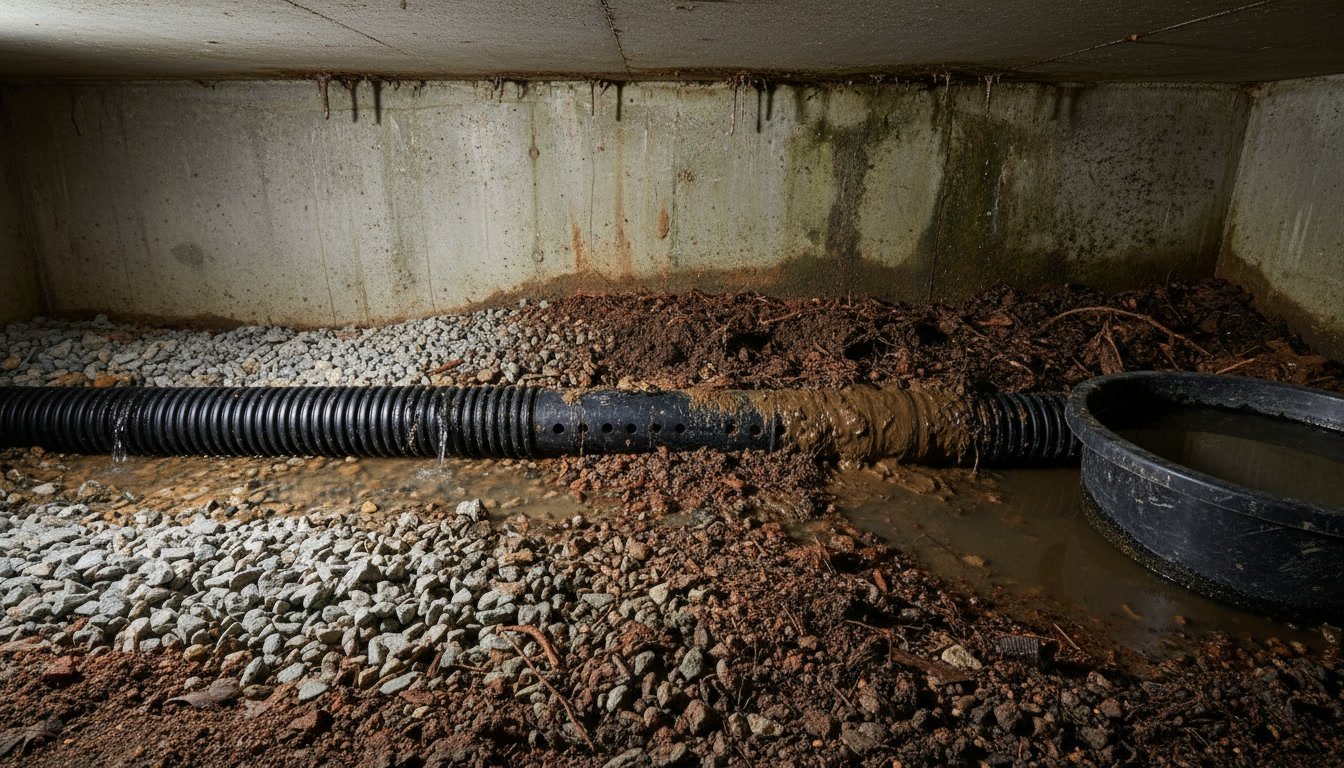
Drainage pipes installed during construction gradually fill with sediment that enters through perforations designed to collect water. Tree roots seek moisture and penetrate drainage lines through tiny openings, expanding until they create complete blockages. Soil erosion from heavy rains washes fine particles into drain tile, where they accumulate and harden.
Older homes in More Dover often have clay or metal drainage pipes that corrode or collapse under ground pressure. The pipes flatten or separate at joints, stopping water flow and creating pockets where debris collects. Once a partial blockage forms, it catches additional material until the entire system stops functioning.
Standing Water or Puddles That Never Fully Dry
Visible standing water in your crawl space signals that drainage has failed. Even small puddles that remain days after rain indicate water has nowhere to go. Check corners and low spots where water naturally collects when your system cannot move it through drainage channels.
Permanent damp spots on crawl space floors show water seeps in faster than it evaporates. These wet areas often develop a distinct musty odor and may feel sticky or muddy when touched. Water that pools against foundation walls penetrates concrete through capillary action, creating interior moisture problems throughout your basement.
Rust Stains and Mineral Deposits on Foundation Walls
Orange or brown streaks on concrete walls indicate iron-rich water has been present long enough to oxidize and leave residue. These stains typically appear near the floor line where backed-up drainage water makes contact with foundation walls. White or gray crusty deposits show minerals left behind as water evaporates, proving moisture repeatedly enters and sits against your foundation.
The height of these stains tells you how deep water pools when your drainage system fails. Stains extending 6 to 12 inches up the wall indicate serious drainage problems that require professional attention. Crawl space waterproofing addresses both drainage and moisture barriers to prevent recurring problems.
Musty Odors Rising Through Floor Vents or HVAC Returns
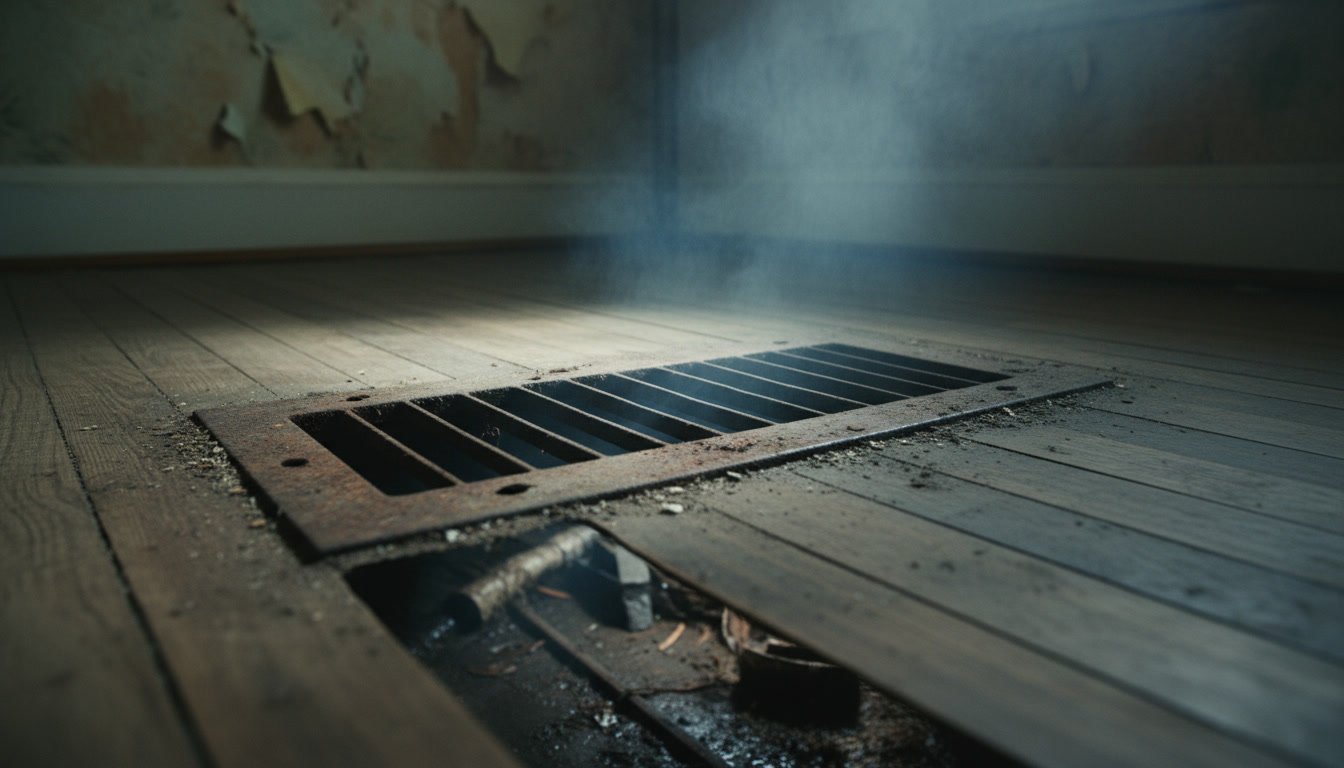
A persistent musty smell in your living spaces often originates from crawl space moisture. Air naturally moves upward through your home in a process called the stack effect, carrying odors from the crawl space into bedrooms and living areas. This smell becomes stronger during humid summer months when evaporation rates increase.
The odor you notice is actually mold spores, bacteria, and decomposing organic material thriving in the damp environment created by poor drainage. This contaminated air circulates through your HVAC system if you have ductwork in the crawl space. Professional mold prevention systems address both moisture sources and air quality concerns.
Increased Pest Activity in and Around Your Crawl Space
Termites, carpenter ants, and wood-boring beetles seek out damp wood in crawl spaces with drainage problems. These pests cause structural damage to floor joists and support beams while populations grow unchecked in the hidden space. Rodents including mice and rats use crawl spaces with standing water as nesting areas, especially during cold months when they seek shelter.
Inspect for mud tubes on foundation walls, which termites build to travel between soil and wood. Look for sawdust-like material below floor joists, indicating active wood-boring insect damage. These pest problems will continue until you eliminate the moisture source attracting them.
Sagging or Bouncy Floors Above the Crawl Space
Floor joists absorb moisture from humid crawl space air and begin to sag under normal weight loads. Wood loses structural strength as moisture content rises above 19 percent, the threshold where decay fungi become active. You will notice soft spots when walking across floors or a bouncy feeling that was not present before.
Measure the vertical deflection in floors using a level placed across floor joists from below. Anything more than one inch of sag over a 20-foot span indicates structural weakness requiring immediate attention. Fixing the drainage problem stops further damage, but weakened joists may need reinforcement or replacement depending on decay severity.
Comparing DIY Inspections with Professional Drainage Assessments
Homeowners can perform basic crawl space inspections by looking for visible water, checking for odors, and examining foundation walls for stains. Use a flashlight to inspect accessible areas near the crawl space entrance and around support posts. Take photos of any concerning conditions to track changes over time.
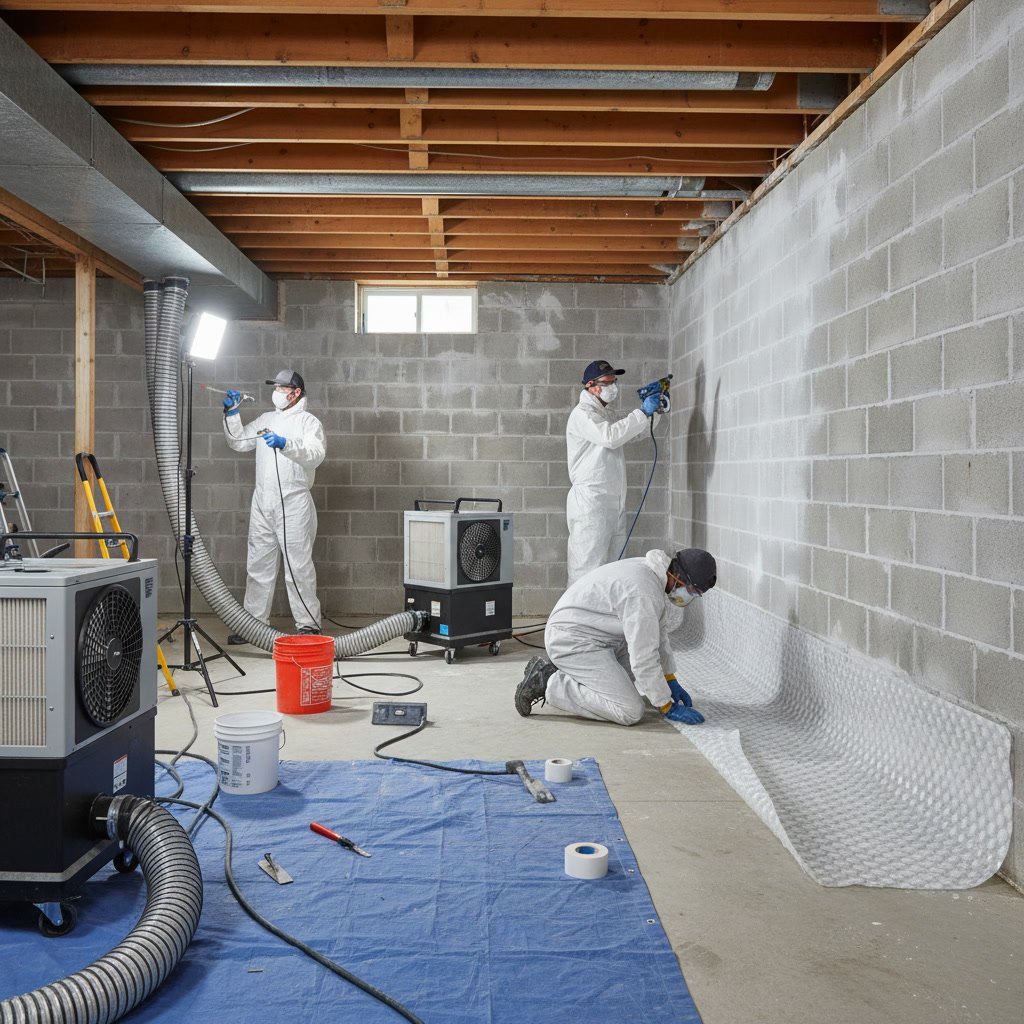
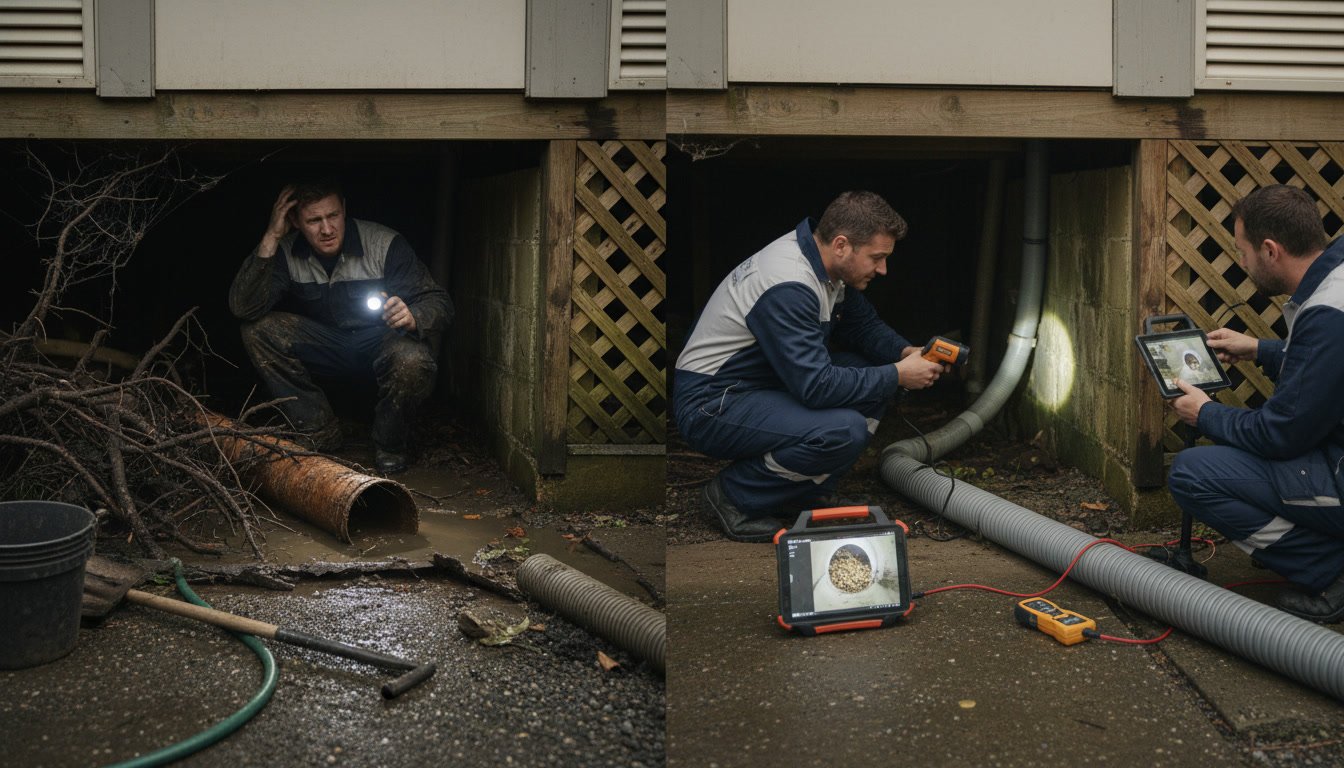
Professional drainage assessments use specialized equipment unavailable to homeowners. Camera inspections thread through drainage pipes to identify exact blockage locations and pipe condition. Moisture meters measure water content in wood and concrete to identify damage not yet visible. Professionals map your entire drainage system layout and identify design flaws contributing to recurring problems.
The most valuable aspect of professional assessment is identifying problems before they cause structural damage. Experienced contractors recognize early warning signs that homeowners overlook, such as minor foundation cracks that will worsen or grading issues directing water toward your home. Many drainage problems discovered early can be fixed at a fraction of the cost required once foundation damage occurs.
Visible Mold Growth on Floor Joists or Insulation
Black, green, or white fuzzy growth on wooden structural members indicates mold has established colonies feeding on moisture-damaged wood. Insulation between floor joists often shows heavy mold growth and water staining when drainage fails. Fiberglass insulation absorbs moisture like a sponge and stays wet for weeks after water recedes, creating ideal mold conditions.
Mold growth means relative humidity in your crawl space regularly exceeds 60 percent, the threshold where most species thrive. Simply removing visible mold without fixing the drainage problem guarantees it will return. Understanding how ventilation systems can worsen moisture problems helps you avoid solutions that seem helpful but actually increase humidity.
Cracks in Foundation Walls or Basement Floor Slabs
Horizontal cracks in foundation walls indicate hydrostatic pressure from water pooling against your foundation. This pressure builds when drainage systems fail to move water away, forcing it against walls until concrete gives way. Vertical cracks are often less serious but still allow water entry that compounds drainage problems.
Floor cracks wider than one-eighth inch allow groundwater to seep upward when drainage systems cannot handle water volume. These cracks often appear near foundation walls where water accumulates first. Professional crawl space drainage installation includes sealing these entry points while creating proper water evacuation pathways.
What to Do When You Spot These Warning Signs
Document conditions with photos showing water locations, stains, mold growth, and any structural damage. Measure standing water depth if present and note how long it remains after rain events. This information helps contractors diagnose your specific drainage failure and design appropriate solutions.
Avoid temporary fixes that mask symptoms without addressing root causes. Running a portable dehumidifier treats humidity but does nothing about the water source. Adding ventilation in summer months can actually increase moisture by drawing in humid outdoor air. Focus on permanent drainage solutions that intercept and redirect water before it enters your crawl space.
Small drainage problems grow into foundation emergencies when ignored. A family-owned company understands the difference between unnecessary upselling and genuine structural concerns. NH Dry Basement LLC has served New Hampshire homeowners for years with honest assessments and lasting solutions tailored to each home’s specific conditions.
Protecting Your Home with Professional Drainage Solutions
Recognizing these warning signs early prevents expensive foundation repairs and protects your family’s health from mold exposure. Clogged drainage systems rarely improve on their own and typically worsen with each storm. Professional assessment identifies exactly where your system fails and what repairs will provide long-term protection.
NH Dry Basement LLC provides thorough drainage system inspections and repairs throughout the seacoast and lakes regions. Our family-owned team brings small-town service and honest recommendations to every project. If you have noticed any of these warning signs in your crawl space, call (603) 235-9598 to schedule an assessment and protect your home’s foundation before minor drainage problems become structural emergencies.