Properly designed drainage systems prevent foundation damage by intercepting and redirecting water away from your home before it can saturate the soil around your foundation walls. When water accumulates near your foundation, it creates hydrostatic pressure that forces moisture through cracks, weakens structural integrity, and leads to costly repairs. New Hampshire’s wet springs, heavy winter snowmelt, and clay-rich soils make effective drainage critical for protecting your home’s structural stability.
Why New Hampshire Foundations Face Unique Water Challenges
New Hampshire receives an average of 40 to 50 inches of precipitation annually, with some coastal areas seeing even more. This water has to go somewhere, and without proper drainage, it settles in the soil surrounding your foundation. The state’s freeze-thaw cycles compound the problem. Water trapped in soil expands when it freezes, pushing against foundation walls with thousands of pounds of force.
Many New Hampshire homes sit on clay or poorly draining glacial till. These soil types hold water like a sponge, keeping it pressed against your foundation for days or weeks after a storm. Over time, this constant moisture exposure weakens concrete, rusts rebar, and creates pathways for water intrusion.
The Three Ways Water Damages Foundations
Water attacks foundations through three distinct mechanisms. First, hydrostatic pressure builds when saturated soil presses against basement walls, forcing water through pores and hairline cracks. Second, erosion washes away soil beneath footings, creating voids that allow foundations to settle unevenly. Third, freeze-thaw action causes progressive cracking as water seeps into concrete, freezes, expands, and gradually widens existing damage.
Each of these processes can occur simultaneously. A foundation experiencing all three will deteriorate rapidly, leading to bowed walls, diagonal cracks, separated corners, and in severe cases, structural failure requiring tens of thousands of dollars to repair.
How Exterior Drainage Systems Work
Exterior drainage begins at your roofline. Gutters collect rainwater and channel it to downspouts, which should discharge at least eight to ten feet from your foundation. Downspout extensions or buried drain lines carry this water to a safe discharge point where it flows away naturally.
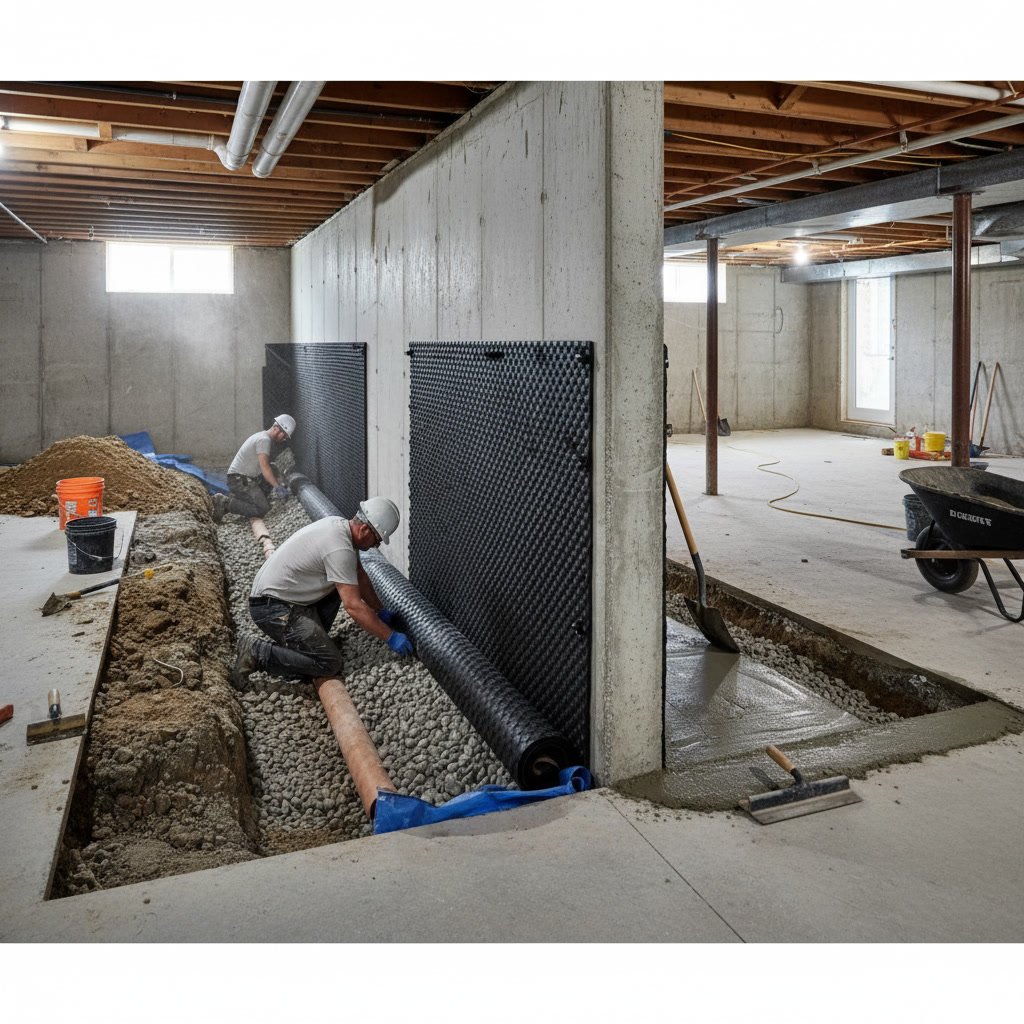
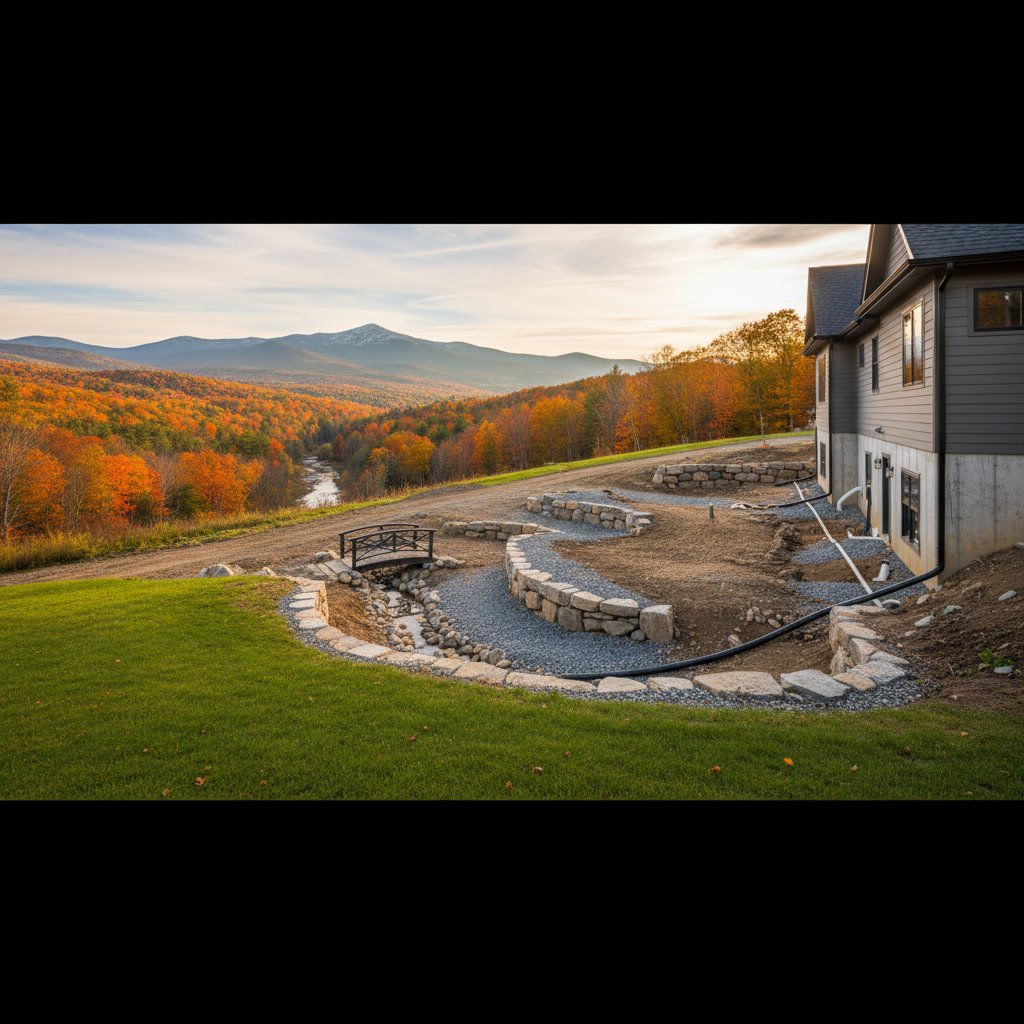
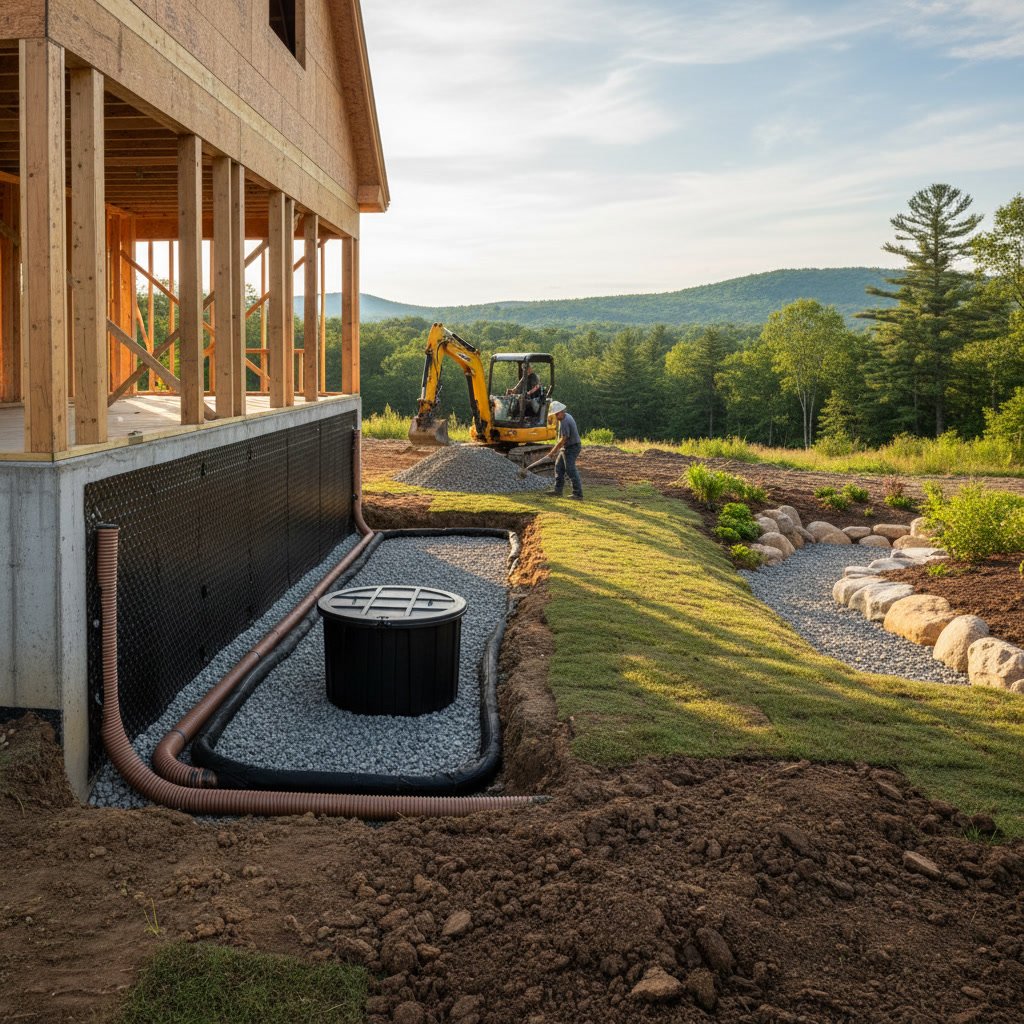
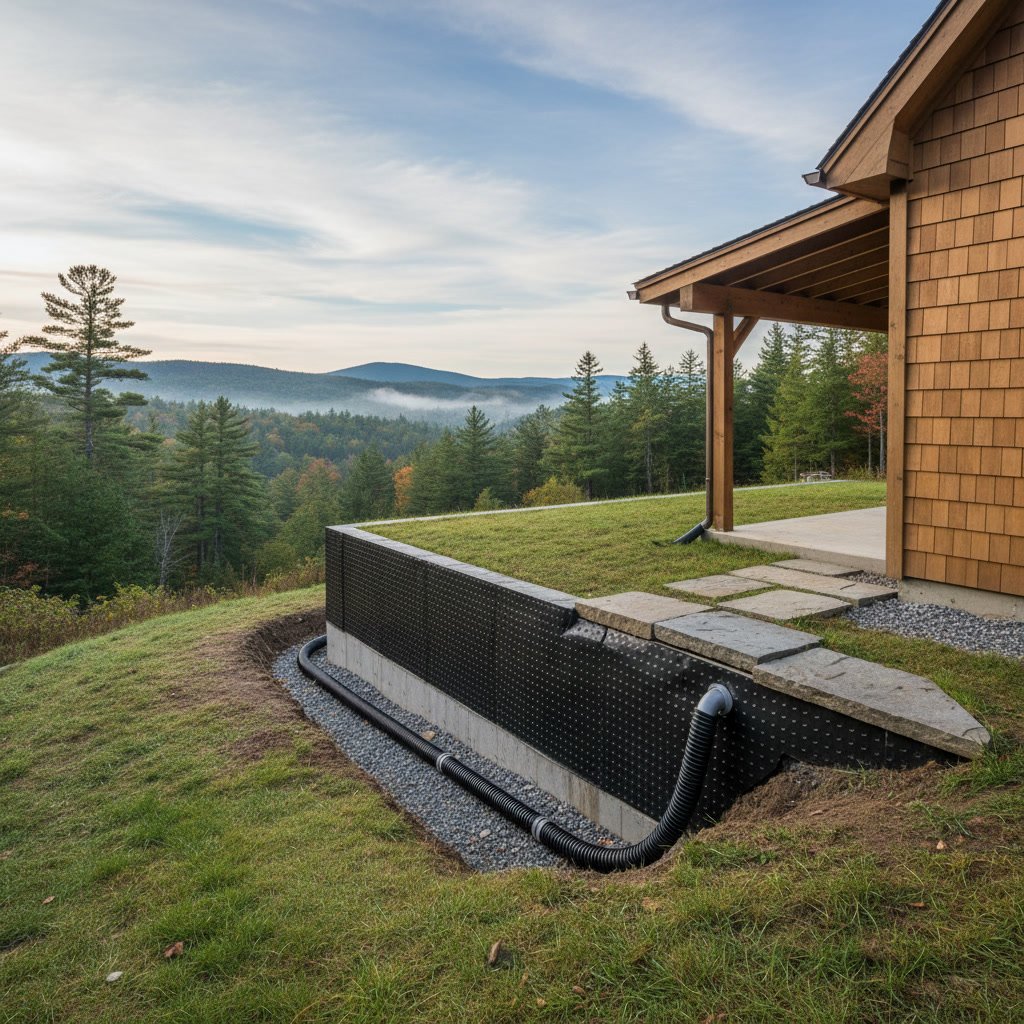
Around your foundation perimeter, a French drain or footing drain intercepts groundwater before it reaches your walls. This system consists of perforated pipe surrounded by gravel, typically installed at footing level. Water seeps through the gravel, enters the pipe, and flows by gravity to a sump pump or daylight discharge point.
Surface grading also plays a critical role. Soil should slope away from your foundation at a minimum grade of six inches over the first ten feet. This simple measure prevents surface water from pooling against your home and soaking into the soil around your basement walls.
Interior Drainage Solutions for More Dover Homes
When exterior drainage is insufficient or impossible to install, interior systems provide reliable protection. A perimeter drain installed inside your basement intercepts water that seeps through walls or up through the floor. This drain channel, typically installed along the footer, captures water and directs it to a collection point.
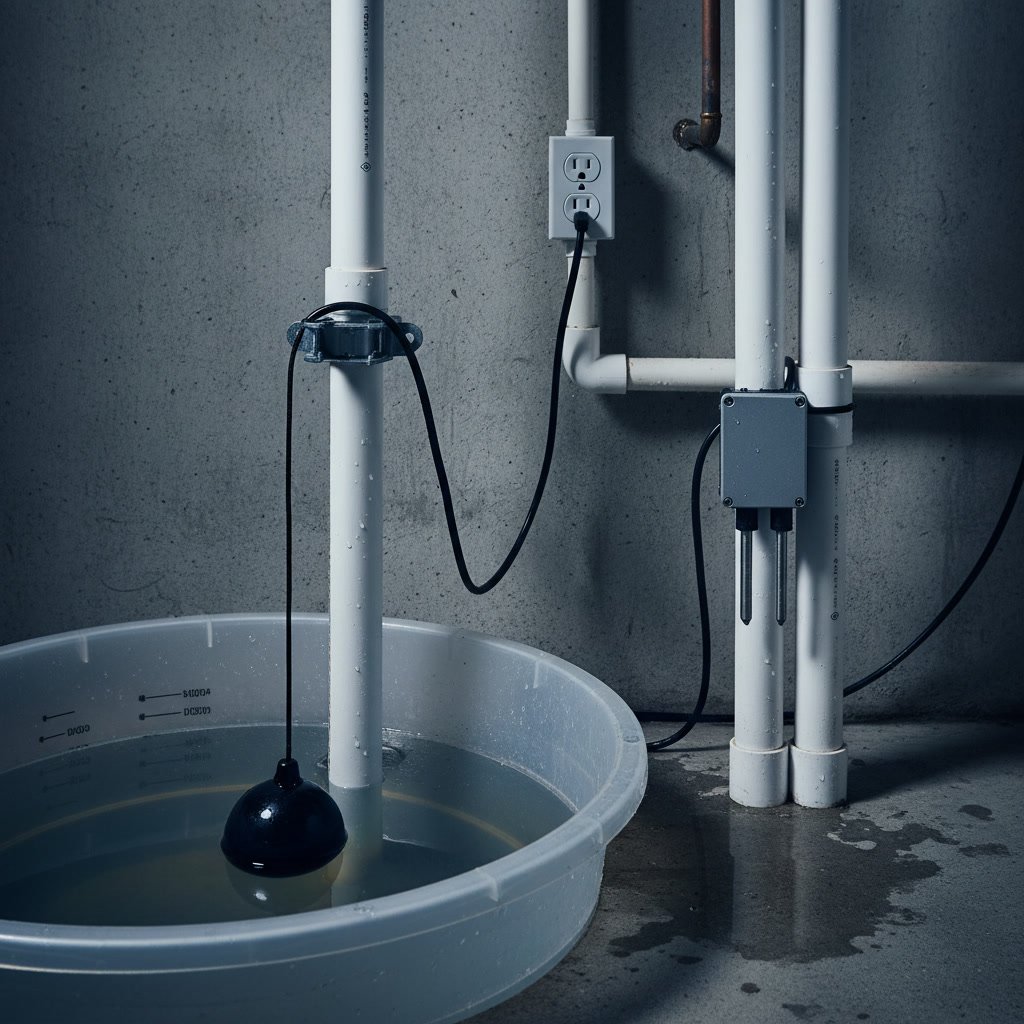
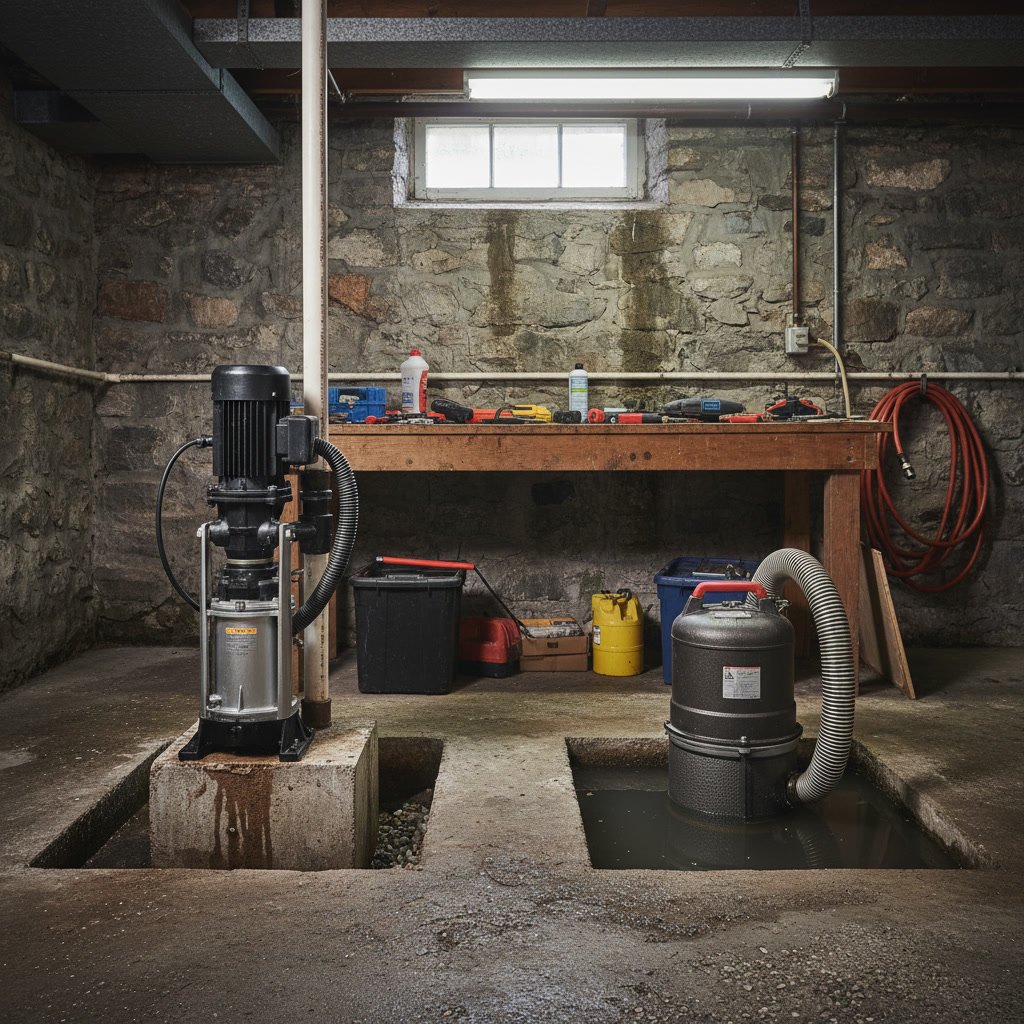
The collected water then flows to a sump basin where a pump removes it from your home. For homeowners in areas prone to power outages during storms, a battery backup system ensures continuous protection when you need it most.
Interior drainage works especially well in older homes where excavating around the foundation would be disruptive or prohibitively expensive. The system controls water after it enters the basement envelope but before it can cause flooding or damage to finished spaces.
Five Components of a Complete Drainage System
A comprehensive approach combines multiple elements for maximum protection. First, properly sized gutters and downspouts handle roof runoff. Second, downspout extensions or buried discharge lines carry water away from the foundation. Third, proper grading ensures surface water flows away rather than toward your home.
Fourth, a perimeter drain (either exterior or interior) intercepts groundwater. Fifth, a reliable drainage system includes a sump pump with adequate capacity for your home’s water volume. Some properties benefit from additional components like surface drains in low spots, dry wells, or curtain drains to intercept water flowing from higher elevations.
Each component addresses a specific water source or pathway. Eliminating just one piece leaves your foundation vulnerable. For example, perfect grading won’t help if your gutters dump thousands of gallons against your foundation during every rainstorm.
Common Drainage Mistakes That Lead to Foundation Problems
Many homeowners unknowingly create drainage problems. Connecting downspouts to underground lines that discharge too close to the foundation simply moves the problem out of sight. These lines need to carry water at least eight to ten feet away, or they achieve nothing.
Another frequent mistake is improper grading during landscaping projects. Adding mulch, soil, or plantings that slope toward your home reverses the protective grade. Over years, this gradual change can transform a dry basement into one that floods with every heavy rain.
Neglecting gutter maintenance also causes problems. Clogged gutters overflow, dumping water directly beside your foundation instead of channeling it away. During New Hampshire winters, ice dams compound the issue by forcing water under shingles and down exterior walls.
When to Install or Upgrade Your Drainage
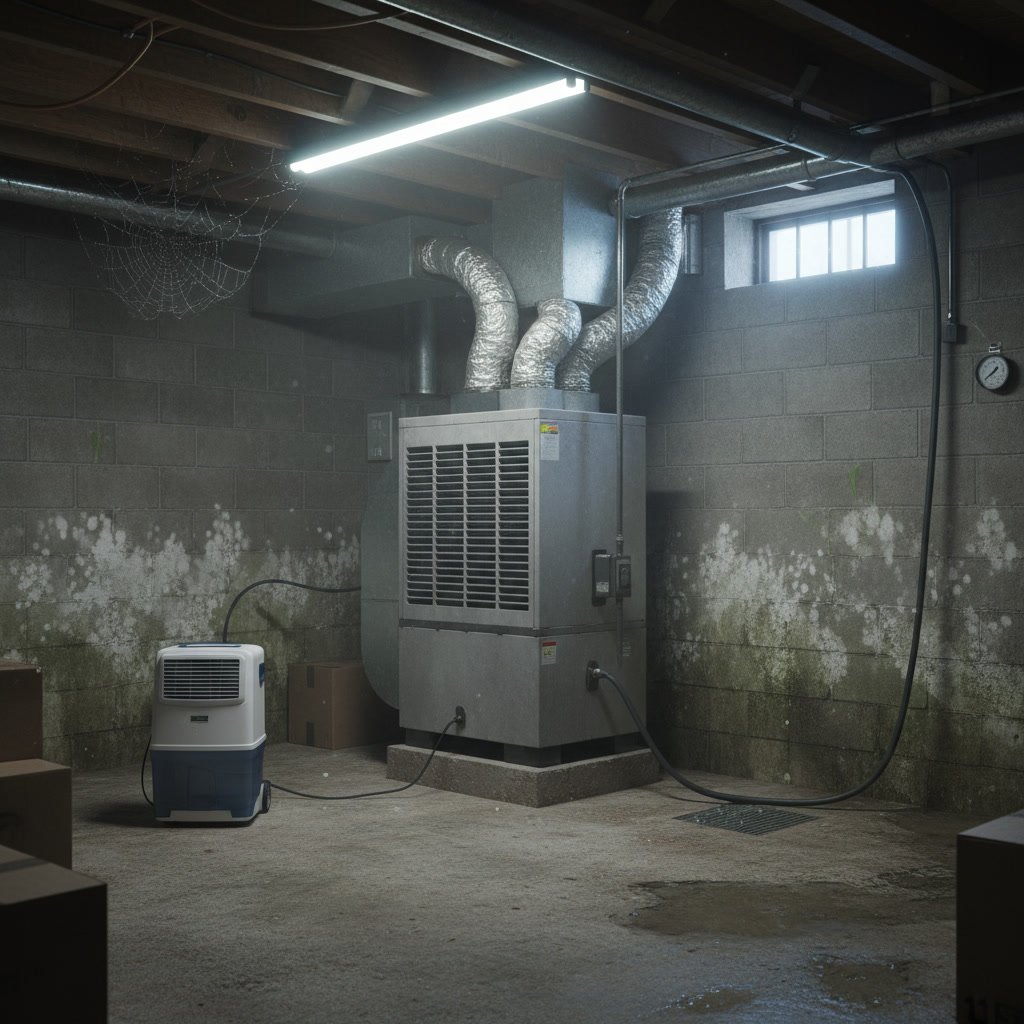
Several warning signs indicate your current drainage is inadequate. Water stains on basement walls, musty odors, efflorescence (white mineral deposits), or actual water entry during storms all point to drainage deficiencies. Outside, you might notice soil erosion near your foundation, water pooling after rain, or settlement cracks in your foundation walls.
You don’t need to wait for visible damage. If your home is more than 20 years old and has never had drainage upgrades, or if you’ve noticed changes in how water behaves around your property, a professional evaluation makes sense. Early intervention prevents damage rather than reacting to it.
Homes in Rochester, Concord, and other New Hampshire communities with high water tables or clay soils should prioritize drainage, even if they haven’t experienced water problems yet. These conditions mean it’s a matter of when, not if, water will threaten your foundation.
How Drainage Integrates with Other Waterproofing Measures
Drainage works hand-in-hand with other protection strategies. A vapor barrier in your crawl space prevents ground moisture from evaporating into your home, but it won’t stop bulk water intrusion. That requires drainage. Similarly, basement waterproofing membranes applied to walls provide a barrier, but if water pressure becomes too great, any barrier can fail.
The most effective approach uses drainage to control water volume and pressure, then adds barriers and sealants as secondary defense. This layered strategy ensures that if one component is overwhelmed, others remain in place to protect your home.
Professional Installation vs DIY Drainage
Some drainage improvements are reasonable DIY projects for handy homeowners. Extending downspouts, adding gutter guards, or adjusting surface grading around a small section of foundation can be done with basic tools and materials. These projects cost a few hundred dollars and can make a meaningful difference.
However, installing perimeter drains, excavating around foundations, or adding interior drainage systems requires specialized knowledge and equipment. Mistakes can be expensive. An improperly sloped drain line won’t move water. A sump pump installed without proper discharge violates local codes and may pump water right back to your foundation.
Professional installation also includes proper diagnosis. What appears to be a simple drainage problem might actually involve multiple water sources requiring different solutions. An experienced contractor can identify all the issues and design a comprehensive fix rather than addressing symptoms.
Long-Term Maintenance Keeps Your Drainage Working
Even perfectly installed drainage systems need maintenance. Gutters should be cleaned at least twice yearly, more often if you have overhanging trees. Downspout extensions can become disconnected, buried, or damaged by lawnmowers and need periodic inspection.
Sump pumps should be tested before each rainy season by pouring water into the basin and confirming the pump activates. Check that discharge lines remain clear and flow freely. Replace sump pump batteries every two to three years, even if they haven’t been used.
Exterior drains can become clogged with silt over decades, though this happens slowly with properly installed systems. If you notice increasing moisture despite having drainage, a camera inspection can reveal blockages or damage that need attention.
Protecting Your Biggest Investment
Your foundation supports everything above it. When foundation damage occurs, repairs are invasive, disruptive, and expensive. Stabilizing a failing foundation with piers or wall anchors can cost $10,000 to $30,000 or more. Replacing sections of foundation runs even higher.
In contrast, comprehensive drainage installation typically costs a fraction of foundation repair. It’s genuinely preventive, stopping damage before it starts rather than trying to reverse it after the fact. For New Hampshire homeowners facing our challenging climate and soil conditions, drainage is not optional. It’s essential infrastructure that protects your home’s structural integrity and your financial investment.
NH Dry Basement LLC has helped countless families across the Seacoast and southern New Hampshire protect their homes with properly designed drainage systems. As a family-owned business based in Barrington, we understand the unique challenges local homeowners face because we live here too. If you’ve noticed warning signs or simply want to protect your foundation before problems develop, give us a call at +16032359598 to schedule a no-pressure evaluation of your property’s drainage needs.