Water seeping through your basement walls or pooling on your floor means trouble, and you need answers fast. The question keeping most New Hampshire homeowners up at night is simple: what will it actually cost to fix? Understanding basement waterproofing cost NH ranges helps you budget properly and avoid surprises when you’re ready to protect your home. This guide breaks down real numbers, explains what drives pricing up or down, and shows you what to expect for different types of waterproofing projects across the Granite State.
The short answer is that most New Hampshire homeowners spend between $2,000 and $15,000 on basement waterproofing, with the average project landing around $6,500. But that wide range exists for good reason, and understanding why will help you get accurate estimates for your specific situation.
What Affects Basement Waterproofing Costs
Several factors determine where your project falls on the pricing spectrum. The size of your basement matters most, but it’s far from the only consideration.
Square footage drives base costs because contractors price many services per linear foot or by area covered. A 500 square foot basement costs significantly less to waterproof than a 2,000 square foot space. Labor hours scale with size, as does material quantity.
The severity of your water problem changes everything. Minor dampness requires different solutions than standing water or active flooding. If you’re dealing with foundation cracks, hydrostatic pressure, or poor drainage, expect more extensive work and higher costs.
New Hampshire’s seasonal challenges add another layer. Frozen ground in winter can delay exterior excavation work. Spring thaw often reveals problems that stayed hidden during cold months. Summer and fall offer ideal conditions for most waterproofing projects, which can affect scheduling and sometimes pricing.
Accessibility impacts labor costs too. Finished basements require more careful work to protect existing improvements. Crawl spaces with limited headroom slow down installation. Homes built on steep slopes or with landscaping obstacles need extra preparation.
Interior vs Exterior Waterproofing
The approach you choose creates the biggest pricing difference. Interior waterproofing typically costs $2,000 to $7,000 and involves installing drainage systems, sump pumps, and vapor barriers inside your basement. This method manages water that enters rather than preventing entry.
Exterior waterproofing runs $8,000 to $15,000 or more because it requires excavating around your foundation, applying waterproof membranes, and installing exterior drainage. This approach stops water before it reaches your walls but demands more labor and equipment.
Foundation Type and Condition
Poured concrete, concrete block, and stone foundations each present unique challenges. Block walls often need more extensive sealing because water penetrates through mortar joints. Stone foundations in older New Hampshire homes sometimes require specialized techniques that increase costs.
Existing damage raises prices. Foundation cracks need repair before waterproofing can succeed. Severely deteriorated walls might need reinforcement or even partial rebuilding in extreme cases.
Breakdown by Project Type
Different waterproofing solutions carry distinct price tags. Here’s what you can expect for common projects across Barrington, Dover, Concord, Manchester, Portsmouth, and surrounding areas.
Sump Pump Installation
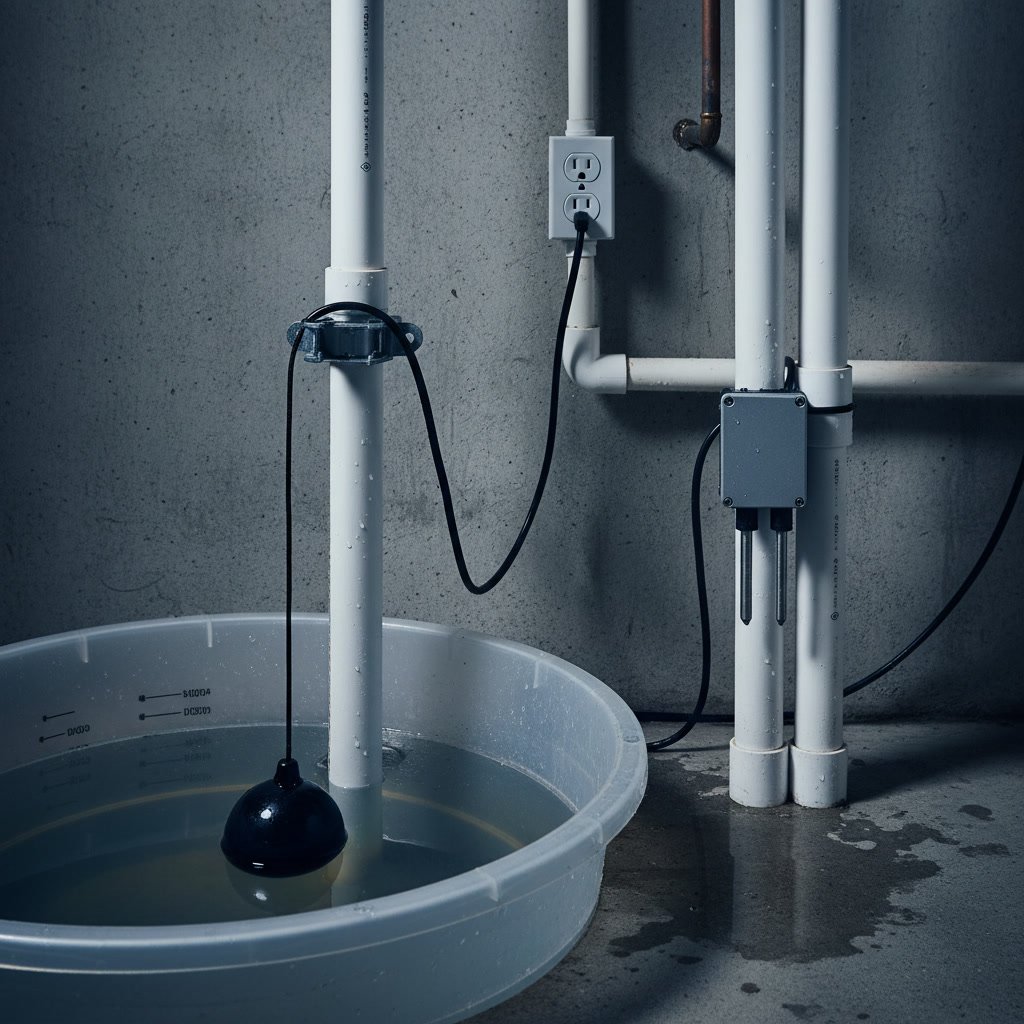
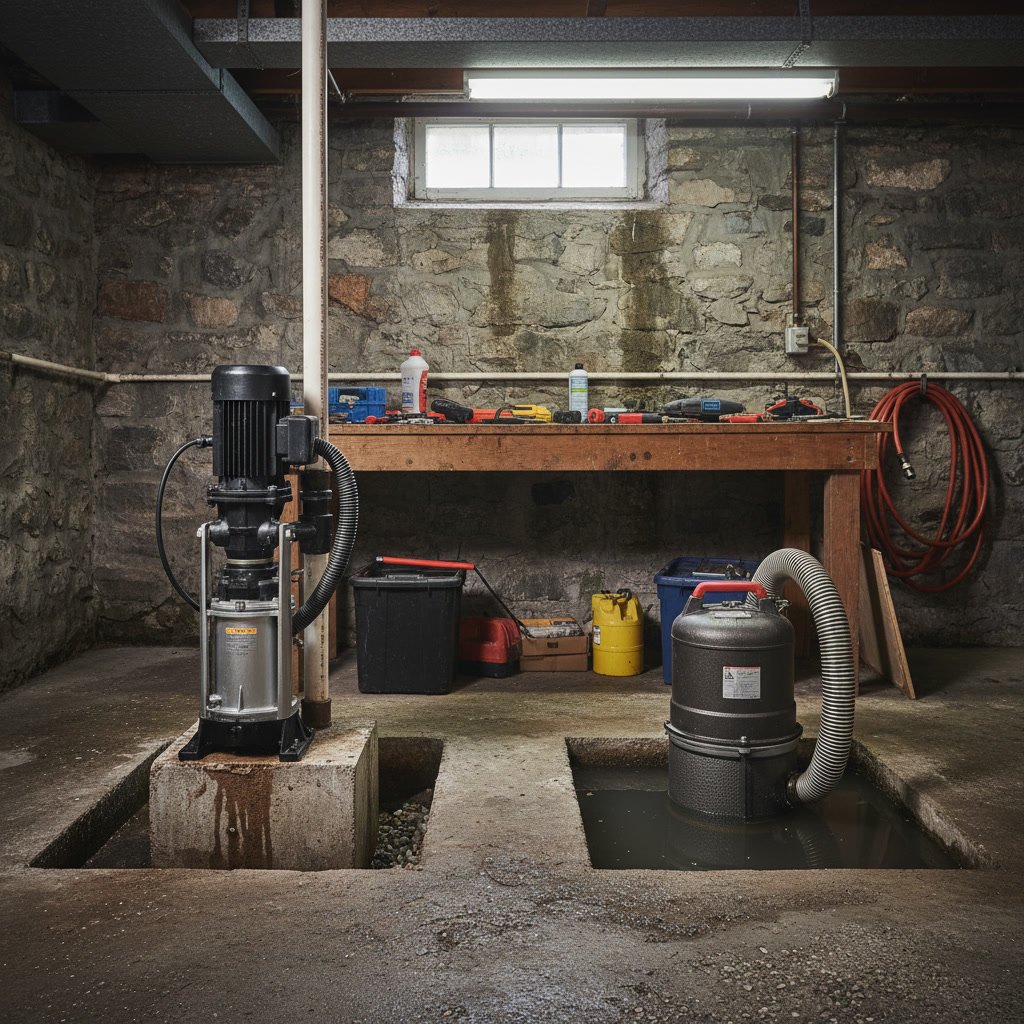
A basic sump pump system costs $1,000 to $2,500 installed. This includes the pump, basin, discharge line, and labor. Upgrades like battery backup systems add $300 to $800 but provide crucial protection during power outages, which matter during New Hampshire storms.
Primary pumps alone run $500 to $1,200, while combination systems with backup pumps reach $2,000 to $3,500. The extra investment pays off when your basement stays dry despite electrical failures.
Interior Drainage Systems
Installing a perimeter drain system inside your basement typically costs $3,000 to $8,000. This involves cutting a channel along the foundation footer, laying perforated pipe, and covering it with concrete. The system collects water and directs it to your sump pump.
Linear foot pricing usually falls between $50 and $100, depending on your basement layout and any obstacles contractors encounter. Corner installations and complex floor plans push costs toward the higher end.
Vapor Barriers and Dehumidification
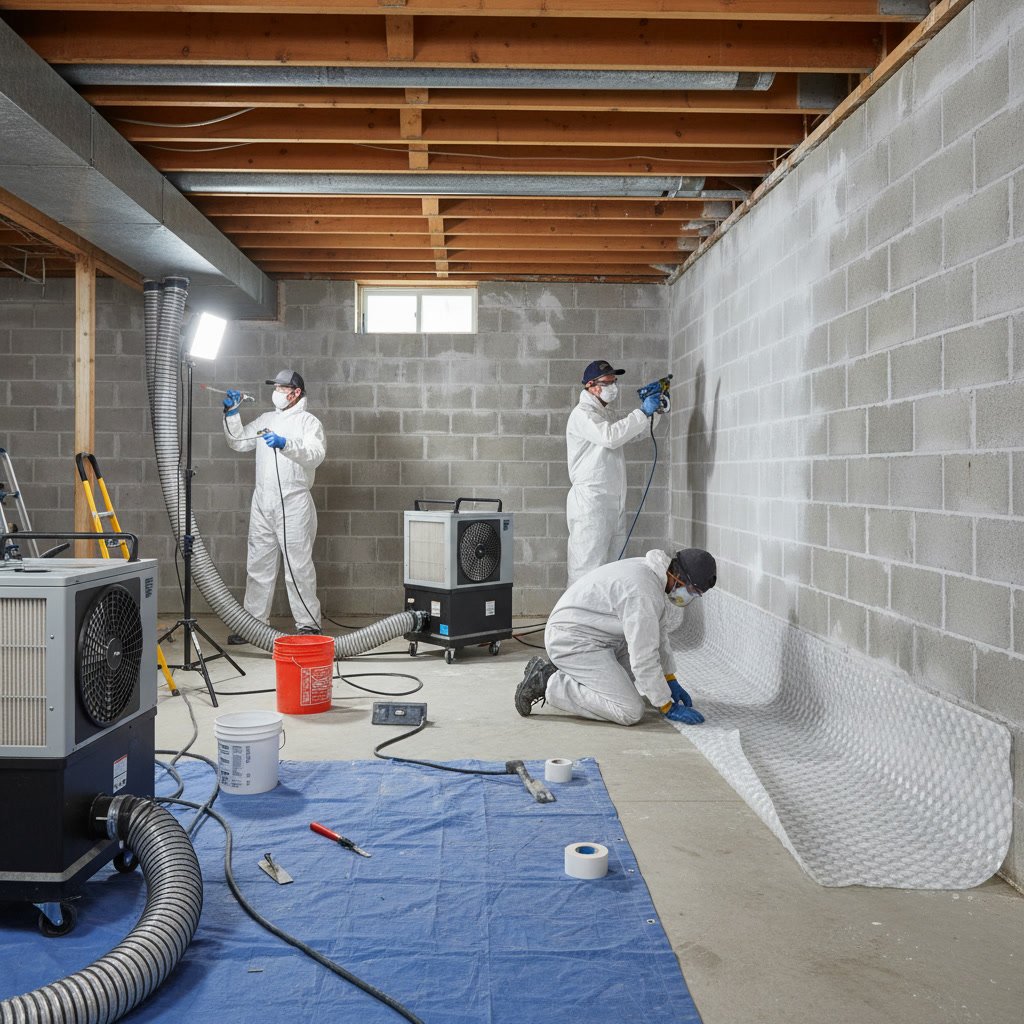
Vapor barrier installation ranges from $1,500 to $4,000 for most basements. Heavy-duty polyethylene sheeting prevents moisture from passing through walls and floors. Some systems include wall panels that direct any water seepage down to your drainage system.
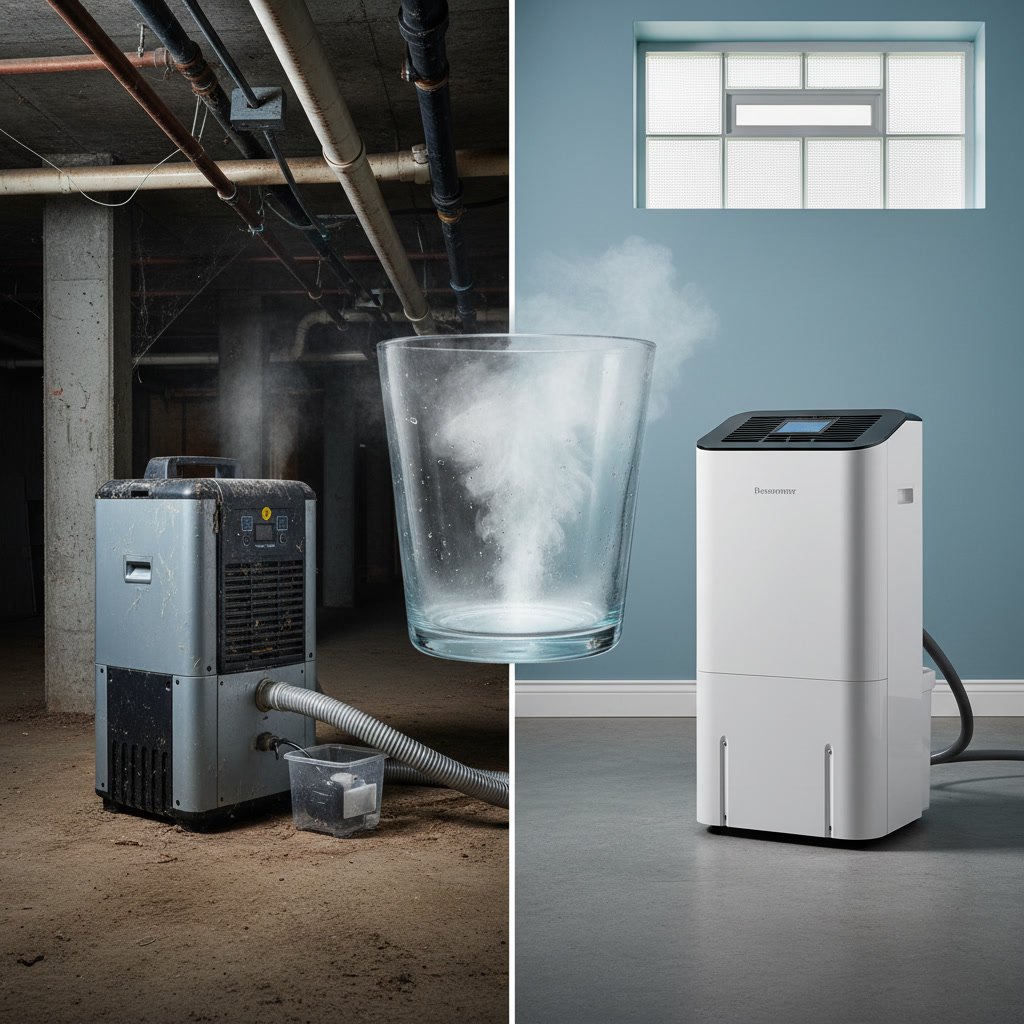
Whole-house dehumidifiers designed for basements cost $1,200 to $2,800 installed. These aren’t the portable units from hardware stores. Professional-grade systems handle the moisture load of entire basements and often include drainage connections so you never empty a bucket.
Exterior Excavation and Waterproofing
Full exterior waterproofing represents the most comprehensive solution. Costs range from $8,000 to $20,000 or more. The process involves excavating around your foundation (usually 6 to 8 feet deep), cleaning and repairing walls, applying waterproof coatings or membranes, installing drainage boards, and adding or improving footer drains.
Per linear foot, expect $75 to $150 for basic exterior work and $150 to $300 for comprehensive systems with advanced membranes and drainage solutions.
Crawl Space Waterproofing
Crawl space projects cost less than full basements due to smaller areas but face unique challenges. Complete crawl space encapsulation runs $3,000 to $8,000 and includes vapor barriers on floors and walls, sealed vents, dehumidification, and often a small sump pump.
Many New Hampshire homes have crawl spaces rather than full basements. The investment protects your home’s structure, improves air quality, and reduces heating costs by preventing cold, damp air from entering living spaces.
Understanding the Basement Waterproofing Cost NH Variables
Regional factors specific to New Hampshire affect what you’ll pay. Understanding these helps you budget accurately and avoid underfunding your project.
New Hampshire soil conditions vary considerably. Clay-heavy soil retains water and creates more hydrostatic pressure against foundations. Sandy soil drains better but can shift and settle. Rocky soil in many areas makes excavation more difficult and time-consuming, which increases labor costs.
The water table matters too. Properties near lakes, rivers, or in low-lying areas face more pressure from groundwater. High water tables require more robust drainage solutions and sometimes ongoing management systems rather than one-time fixes.
Pro Tip: Schedule a thorough inspection before getting quotes. Knowing exactly what problems exist prevents change orders and budget overruns later. A good contractor will identify issues you didn’t know about and explain why they matter.
Local building codes and permit requirements add to project costs. Most basement waterproofing requires permits in New Hampshire communities, typically $50 to $300 depending on scope. Electrical work for sump pumps needs licensed electricians. These aren’t corners to cut as proper permits protect you legally and ensure work meets safety standards.
Seasonal pricing sometimes fluctuates. Spring is peak season because that’s when most people discover water problems. Fall offers good conditions and sometimes better availability. Winter work costs more when ground excavation is required.
What’s Included in Professional Quotes
Understanding what you’re paying for helps you compare quotes fairly. Reputable contractors provide detailed estimates that break down each component.
Labor typically represents 40 to 60 percent of total costs. Basement waterproofing is physically demanding work that requires skill and experience. Cutting corners on labor often means poor installation that fails when you need it most.
Materials include pumps, pipes, drainage stone, concrete, waterproof membranes, sealants, and vapor barriers. Quality varies significantly. Commercial-grade sump pumps outlast bargain models by years. Professional waterproof membranes outperform tar-based coatings.
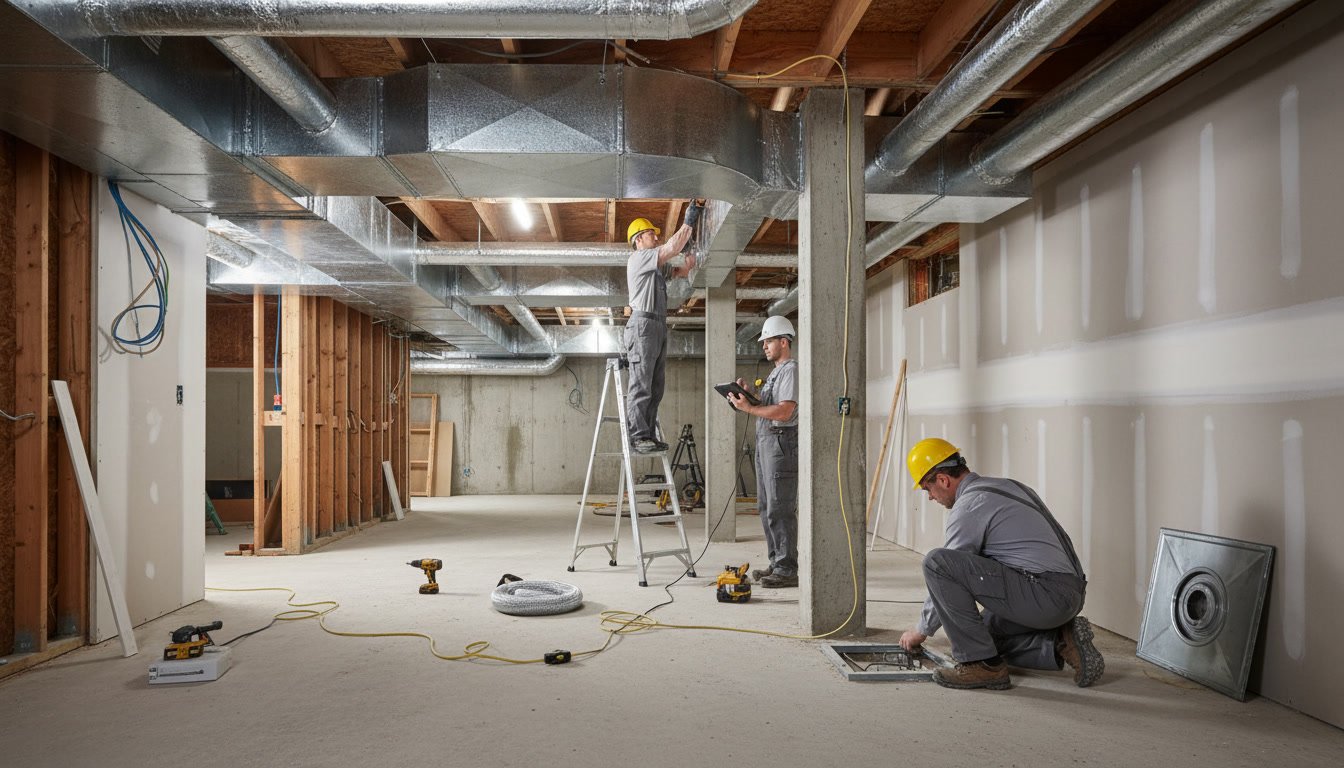
Equipment rental or use factors in for major projects. Excavators, concrete saws, jackhammers, and specialized tools all carry costs that get passed to you. This is normal and necessary for proper installation.
Disposal fees cover hauling away broken concrete, excavated soil, and old materials. Depending on quantity, this adds $200 to $1,000 to most projects.
Warranties separate professional contractors from fly-by-night operations. Good waterproofing companies guarantee their work for years, sometimes decades. This coverage has value that doesn’t show in the initial price but matters tremendously if problems arise.
Additional Costs to Consider
Beyond the core waterproofing system, related expenses often surprise homeowners. Planning for these avoids budget stress mid-project.
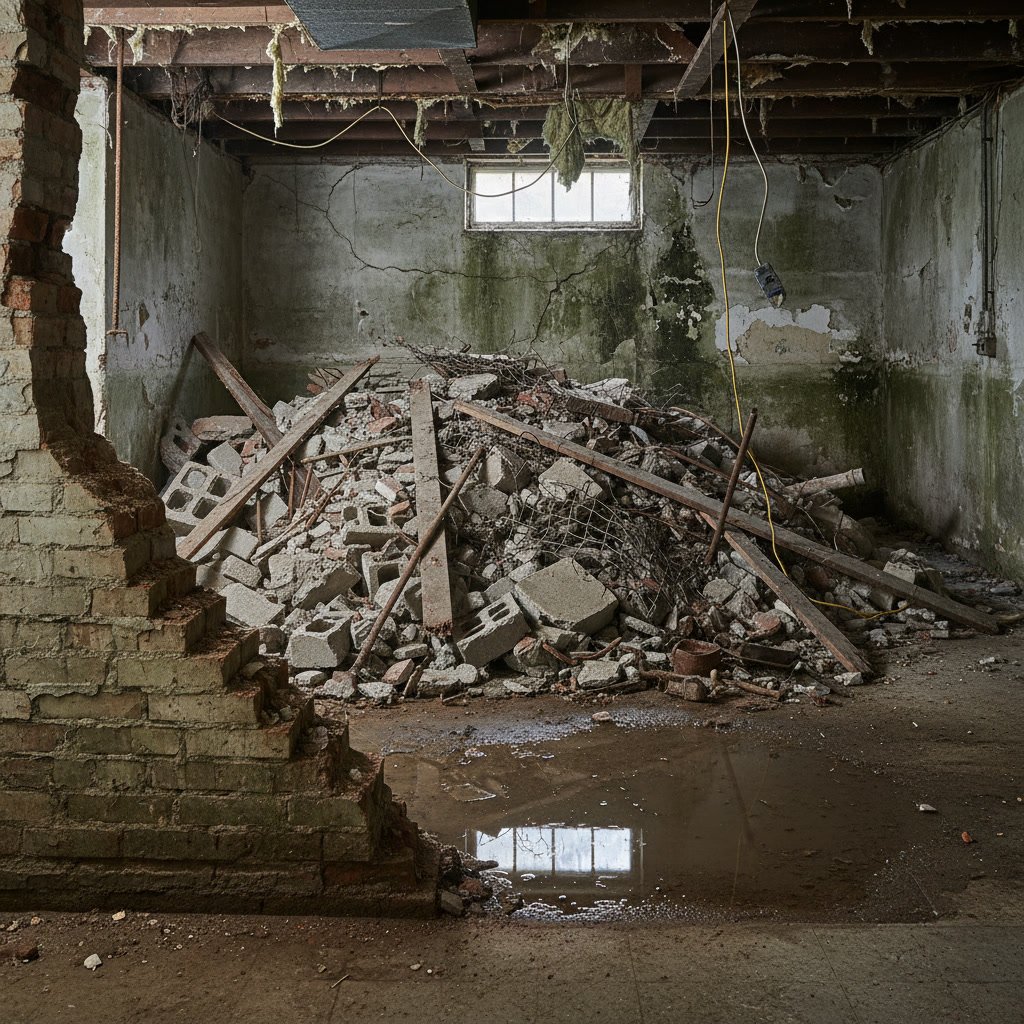
Mold remediation might be necessary before waterproofing begins. If water damage already caused mold growth, you’ll need professional removal. This costs $500 to $6,000 depending on severity and affected area. Waterproofing a moldy basement just traps the problem.
Concrete repair and replacement adds up when floors or walls need extensive work. Patching a few cracks costs $300 to $800. Replacing sections of basement floor runs $3 to $8 per square foot.
Landscaping restoration becomes necessary after exterior waterproofing. Excavation disturbs yards, gardens, and sometimes driveways or walkways. Budget $1,000 to $3,000 for restoring landscaping after major excavation work.
Electrical upgrades might be required for sump pump circuits. Dedicated circuits with GFCI protection cost $200 to $500 installed. Battery backup systems need proper electrical integration.
Ongoing maintenance costs are minimal but real. Sump pumps need annual testing and occasional replacement every 7 to 10 years ($300 to $800). Dehumidifier filters need changing ($20 to $50 per year). These small investments protect your larger waterproofing investment.
How to Budget for Your Project
Smart planning makes basement waterproofing affordable without compromising quality. Start by getting at least three detailed quotes from licensed contractors. This shows you the market rate and helps identify anyone pricing far above or below typical ranges.
Prioritize based on severity. If you’re experiencing active flooding, interior drainage and sump pump installation provide immediate relief at moderate cost. You can add exterior waterproofing later if needed. Mild dampness might only require vapor barriers and dehumidification.
Financing options exist specifically for home improvement projects like waterproofing. Many contractors work with financing companies that offer payment plans. Home equity loans or lines of credit often provide lower interest rates for larger projects.
Don’t sacrifice quality for price. The cheapest quote often becomes the most expensive when systems fail or need replacement quickly. Mid-range pricing from experienced contractors with strong warranties usually offers the best value.
Key Takeaway: Basement waterproofing is an investment in your home’s structural integrity and your family’s health. Moisture problems only worsen over time, and early intervention costs less than fixing extensive water and mold damage later.
Consider the return on investment. Waterproofing adds value to your home and makes it more attractive to buyers. Finished basements require dry conditions. Even unfinished basements with good waterproofing systems give buyers confidence and often return 50 to 70 percent of costs when selling.
Working with Local Contractors
Choosing the right contractor matters as much as choosing the right waterproofing method. Local, family-owned companies often provide better service and stand behind their work longer than large national chains.
Look for contractors with specific basement waterproofing experience, not just general handyman services. This specialized work requires knowledge of drainage principles, foundation issues, and moisture management that general contractors may lack.
Verify licensing and insurance. New Hampshire requires contractors to register with the state. Liability insurance and workers compensation protect you if accidents happen on your property.
Ask about their process and timeline. Good contractors explain what they’ll do, why it’s necessary, and how long it takes. They identify potential complications upfront rather than discovering them mid-project.
Check references from past customers. Speaking with homeowners who had similar work done reveals how contractors handle problems, communicate during projects, and honor warranties.
Local knowledge matters in New Hampshire. Contractors familiar with regional soil conditions, common foundation types in your area, and seasonal challenges provide better solutions than out-of-state companies unfamiliar with local conditions.
Frequently Asked Questions
Is basement waterproofing worth the cost in New Hampshire?
Yes, basement waterproofing is worth the investment in New Hampshire due to our climate. The state experiences significant rainfall, snow melt, and seasonal water table changes that put constant pressure on foundations. Waterproofing prevents structural damage, protects your belongings, prevents mold growth, and maintains your home’s value. The cost of waterproofing is far less than repairing foundation damage or dealing with mold remediation later.
How long does basement waterproofing last?
Quality basement waterproofing systems last 20 to 30 years with proper maintenance. Sump pumps typically need replacement every 7 to 10 years. Interior drainage systems can last the life of your home. Exterior waterproofing membranes remain effective for 25 years or more. Regular inspections and minor maintenance extend system life and ensure continued protection.
Can I waterproof my basement myself to save money?
While minor dampness might respond to DIY sealants and dehumidifiers, proper waterproofing requires professional installation. Interior drainage systems need precise grading and proper connection to sump pumps. Exterior waterproofing requires excavation equipment and expertise. Mistakes in waterproofing often cost more to fix than hiring professionals initially, and failed DIY systems leave your home vulnerable to water damage.
Does homeowners insurance cover basement waterproofing costs?
Standard homeowners insurance typically does not cover preventive waterproofing, which is considered home maintenance. However, if a sudden, covered event like a pipe burst causes water damage, insurance may pay for repairs. Flood insurance covers certain types of water damage but usually not seepage or groundwater issues. Always check your specific policy and discuss coverage with your agent before assuming insurance will help with waterproofing costs.
What happens if I don’t waterproof my wet basement?
Ignoring basement water problems leads to progressively worse damage. Foundation walls deteriorate from constant moisture exposure. Mold grows and spreads through your home, causing health issues and expensive remediation. Wooden structural elements rot. Belongings stored in basements get ruined. Property value decreases significantly. Eventually, structural repairs cost many times more than waterproofing would have cost initially.
Getting Started with Your Basement Waterproofing Project
Understanding basement waterproofing cost NH ranges is the first step toward protecting your home. Most projects fall between $2,000 and $15,000 depending on your specific situation, with interior solutions at the lower end and comprehensive exterior systems at the higher range. Your actual cost depends on basement size, water problem severity, chosen waterproofing method, and property-specific factors.
The best approach is getting a professional assessment of your unique situation. What works for a neighbor’s home might not suit yours, and accurate pricing requires seeing your basement firsthand.
NH Dry Basement LLC serves homeowners throughout Barrington, Dover, Concord, Manchester, Portsmouth, Lee, Northwood, Rye, and Rochester with honest assessments and quality waterproofing solutions. As a family-owned business, we treat your home like our own and stand behind every installation. Call +16032359598 for a detailed inspection and transparent pricing that helps you make informed decisions about protecting your home.