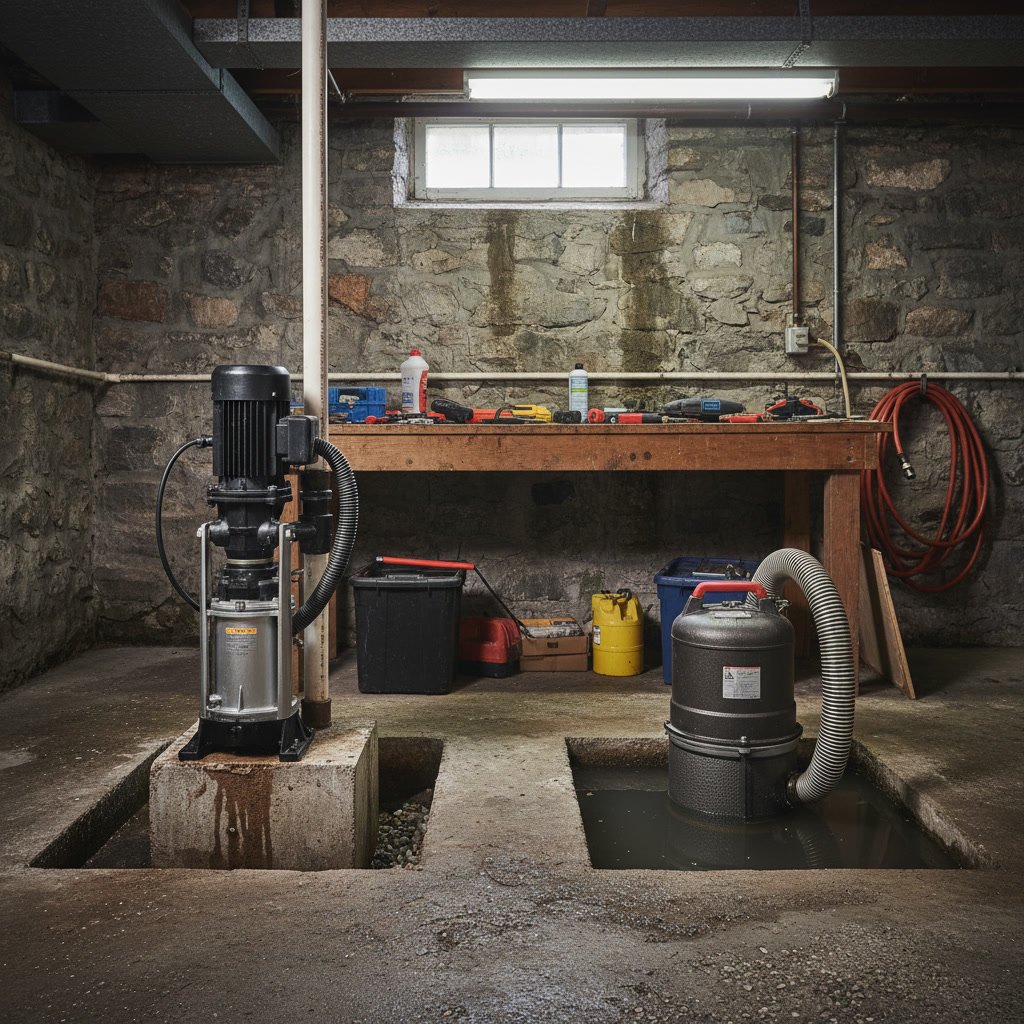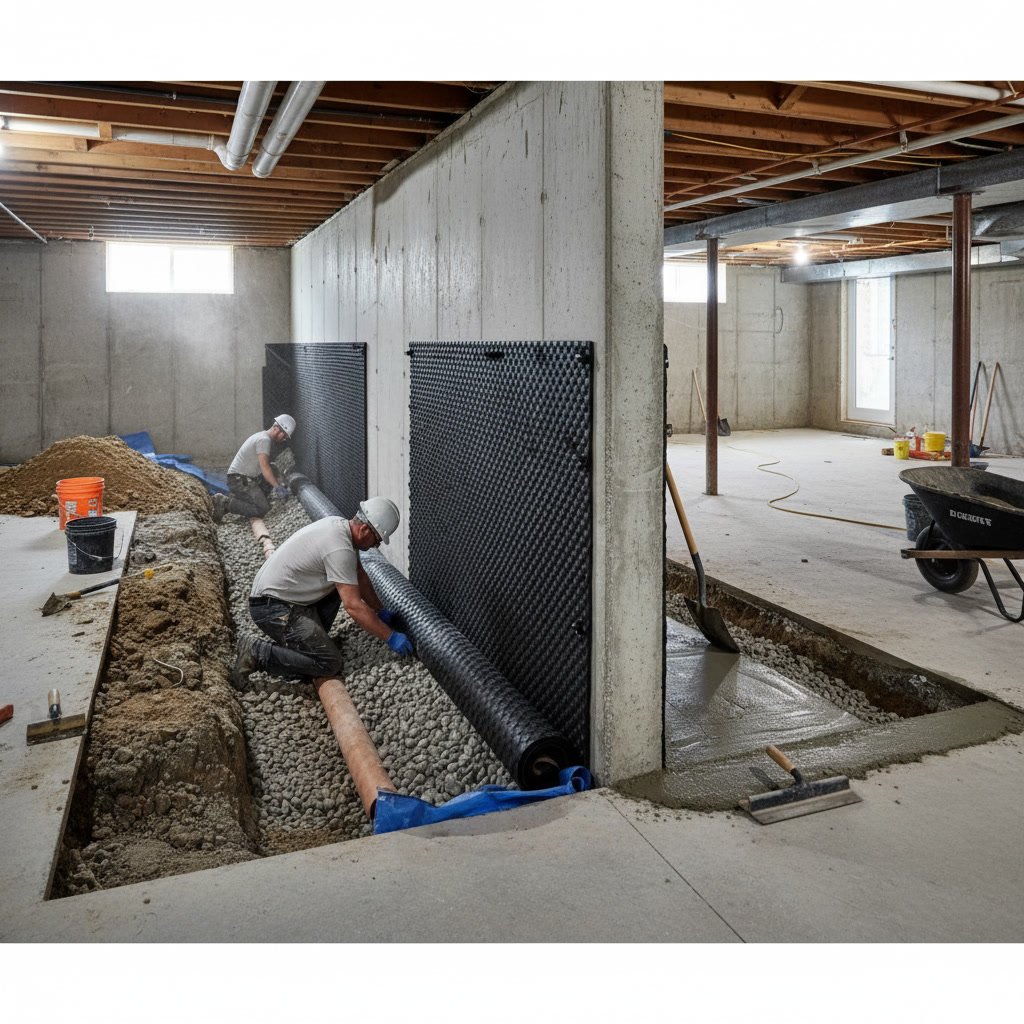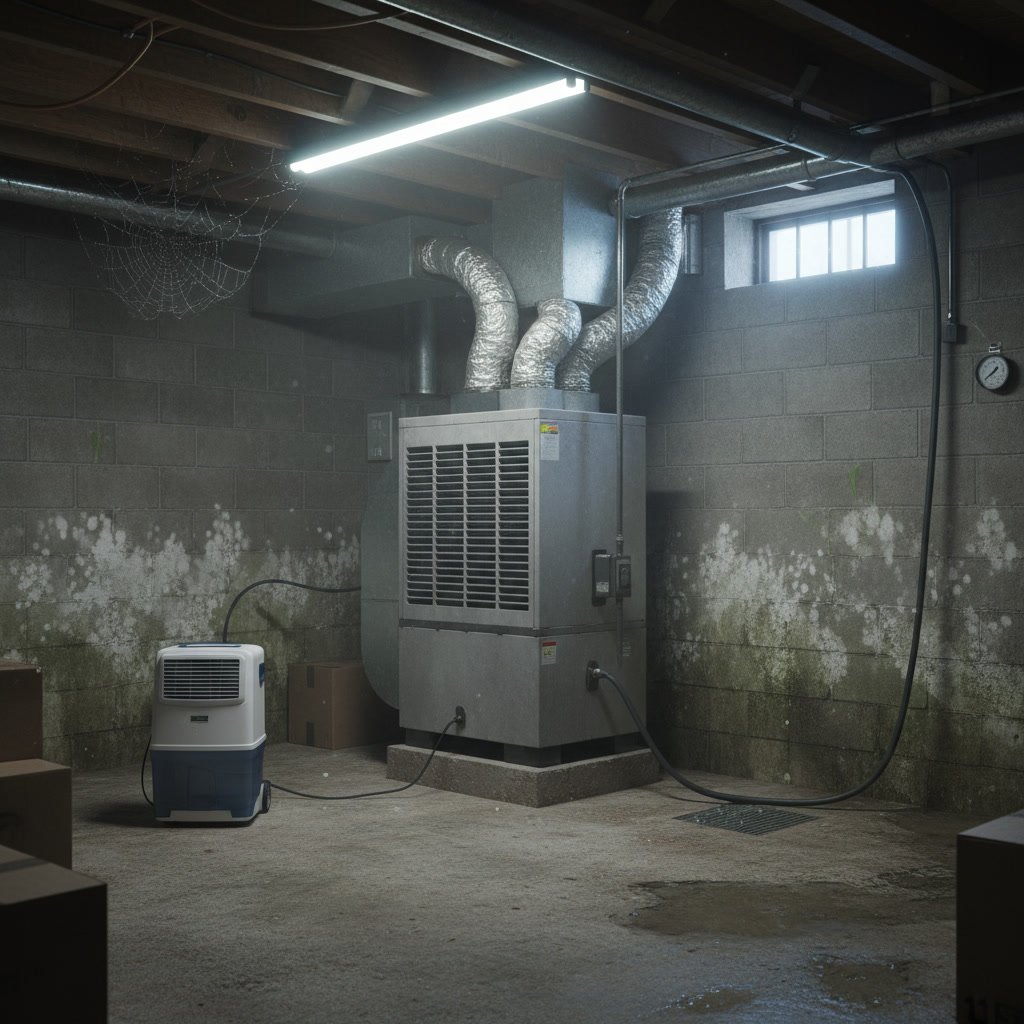
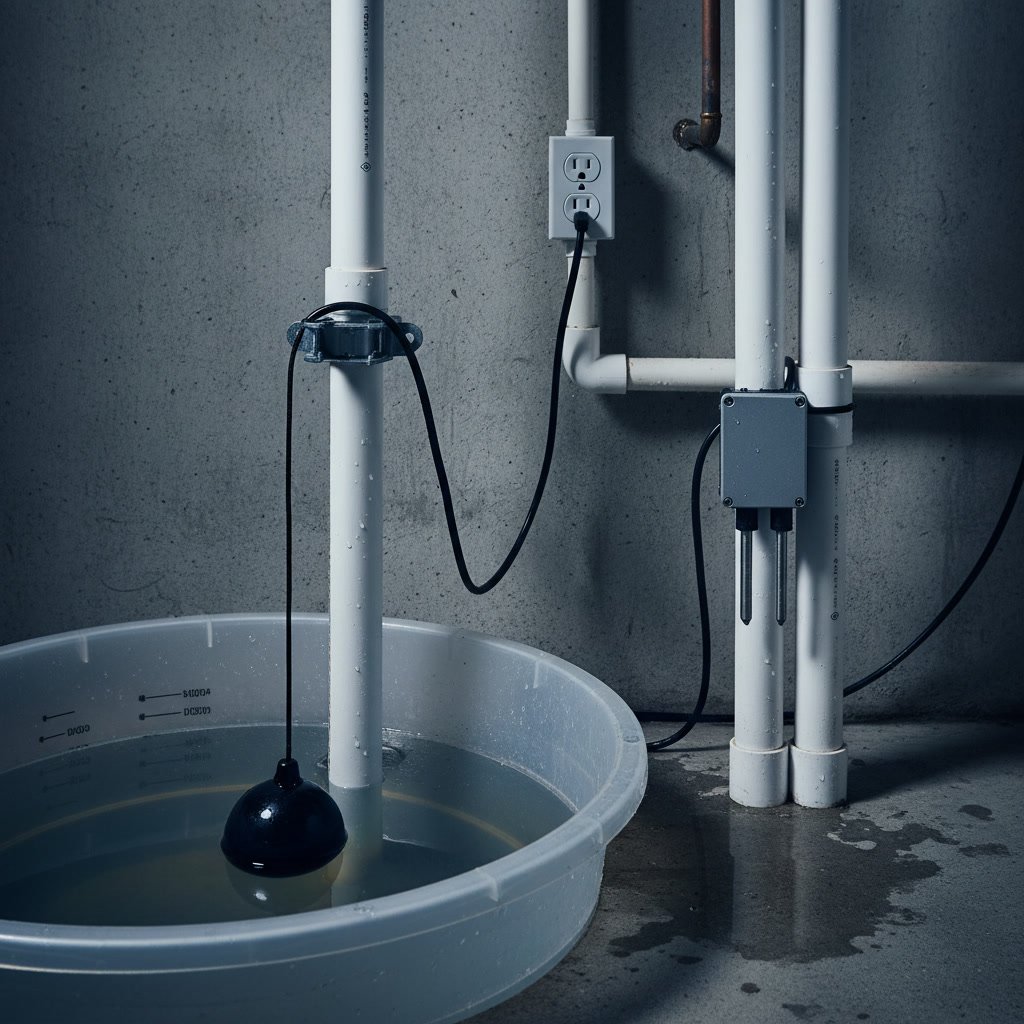
Float switches and electronic sensors represent the two main sump pump switch types used to activate pumps when water rises in the basin. Float switches use a buoyant mechanical arm that trips at a preset water level, while electronic sensors detect water presence through conductivity or pressure measurement. Float switches typically fail due to mechanical jamming or debris interference, whereas electronic sensors fail from corrosion or electrical component breakdown. Research shows mechanical float switches experience failure rates of 8-12% over five years, while quality electronic sensors fail at 5-8% rates when properly installed.
How Your Basement Protection Depends on One Small Component
Your sump pump might be the most powerful unit available, but it sits useless until a switch tells it to turn on. That switch makes the split-second decision about when your basement needs protection. A pump that never activates leaves you with inches of water across your floor before you realize something went wrong.
New Hampshire homeowners face particular risk during spring thaw and heavy rain events when water tables rise quickly. A switch failure during these critical moments means the difference between a dry basement and thousands in damage. The waterproofing system you’ve invested in becomes worthless if the activation mechanism fails.
The Traditional Float Switch Design and Common Failure Points
Float switches attach to the pump with a hinged arm that rises with water level. When the float reaches a certain angle, it completes an electrical circuit that powers the pump motor. The simplicity of this design has made it the industry standard for decades.
The mechanical nature of float switches creates specific vulnerabilities. The pivot point accumulates mineral deposits from hard water, causing the arm to stick in one position. Debris like sediment, small gravel, or fragments from deteriorating concrete can wedge under the float and prevent it from rising. In tight sump basins, the float arm sometimes catches on the basin wall or pump housing itself.
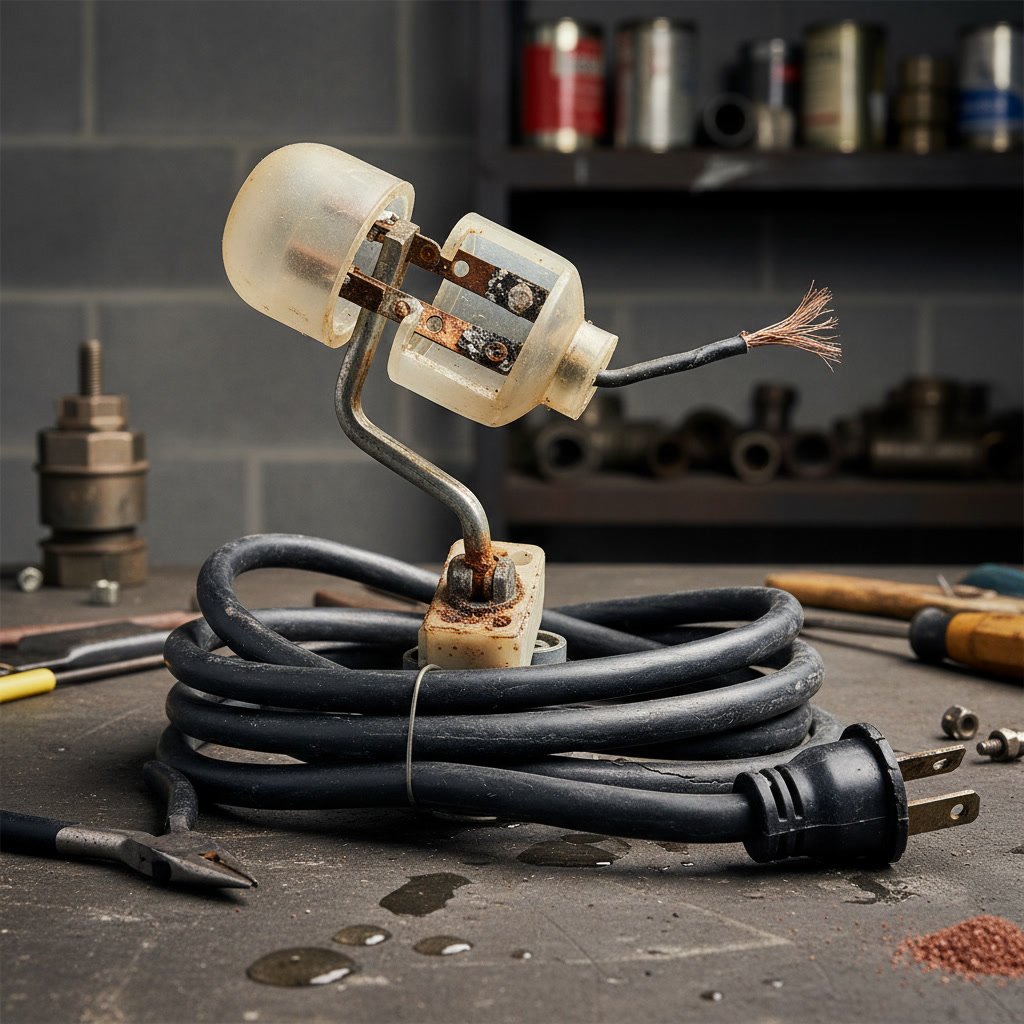
Temperature extremes in unheated basements cause another problem. The plastic float ball can become brittle in cold conditions and crack, filling with water and losing buoyancy. When that happens, the switch never triggers regardless of how high water rises. Replacement becomes necessary, but many homeowners don’t discover the failure until water damage occurs.
Electronic Sensor Technology and How It Differs
Electronic switches eliminate moving parts by using sensors that detect water presence through electrical conductivity or pressure changes. Conductivity sensors have two probes at different heights. When water bridges the gap between probes, it completes a low-voltage circuit that signals the pump to start.
Pressure sensors measure the weight of water above a diaphragm. As water rises, increasing pressure triggers the pump at a calibrated depth. Some advanced models use ultrasonic distance measurement, bouncing sound waves off the water surface to calculate depth with high precision.
The lack of mechanical movement eliminates jamming, sticking, and physical wear. Electronic sensors mount flush against the basin wall or pump housing, taking up minimal space. This compact footprint works well in smaller sump pits where float arms don’t have adequate clearance.
Comparing Failure Rates Between Switch Technologies
Field data from residential installations shows mechanical float switches fail at rates between 8% and 12% over a five-year period. Electronic sensors in the same conditions fail at 5% to 8% rates. The difference appears modest but becomes significant when you consider the consequences of a single failure event.
Float switch failures tend to occur suddenly and completely. The pump either runs continuously because the float is stuck in the up position, or it never runs because the float can’t rise. Both scenarios demand immediate attention, but the latter puts your basement at risk.
Electronic sensor failures often develop gradually. Corrosion on probe tips reduces sensitivity before causing complete failure. This progressive degradation sometimes allows homeowners to notice erratic pump behavior and address problems before water damage occurs. However, when electronic components fail catastrophically due to power surges or manufacturing defects, they offer no warning.
Environmental Factors in More Dover That Affect Switch Longevity
New Hampshire soil conditions and water chemistry influence how long each switch type survives. High iron content in groundwater, common across the state, accelerates corrosion on electronic sensor probes. The reddish-brown mineral deposits build up quickly and insulate the probes from water contact.
Float switches handle iron-heavy water better from a functional standpoint, though the deposits still accumulate on pivot points. Regular maintenance can remove these deposits before they cause binding. Clay-heavy soil, prevalent in areas around More Dover, produces fine sediment that settles in sump basins and creates more opportunities for float arm interference.
Homes with perimeter drainage systems that channel water into the sump basin often introduce small stones and grit. This material poses greater risk to mechanical floats than electronic sensors, which have no moving parts to obstruct.

Installation Quality and Its Impact on Reliability
Even the most reliable switch technology fails prematurely when installed incorrectly. Float switches need adequate clearance in all directions. A minimum of three inches between the float arm’s travel path and any obstruction prevents most interference problems. Installers who cram pumps into undersized basins create conditions where float failure becomes inevitable.
Electronic sensors require proper probe placement and secure mounting. Probes positioned too close to where water enters the basin can give false readings from splashing. Loose mounting allows sensors to shift position over time, changing their trigger depths unpredictably. Wire connections must be waterproofed and secured to prevent shorts.
NH Dry Basement LLC always sizes sump basins to accommodate the chosen switch type with room for service access. A properly designed system considers not just the pump capacity but also the space requirements for reliable switch operation and future maintenance.
Maintenance Requirements for Each Switch Design
Float switches demand quarterly inspection of the pivot mechanism and float ball integrity. You should manually lift the float to verify free movement and immediate pump activation. Clean any visible deposits from the arm and pivot. Check the float ball for cracks by gently squeezing it and listening for air escaping.
Electronic sensors need probe cleaning every three to six months depending on water quality. A soft brush removes mineral buildup without scratching the probe surface. Inspect wire connections for corrosion or looseness. Test the system by slowly pouring water into the basin while watching for the pump to activate at the correct depth.
Both switch types benefit from annual professional inspection as part of comprehensive sump pump maintenance. Technicians use calibrated methods to verify trigger depths and response times that homeowners can’t easily measure.
Power Considerations and Backup System Integration
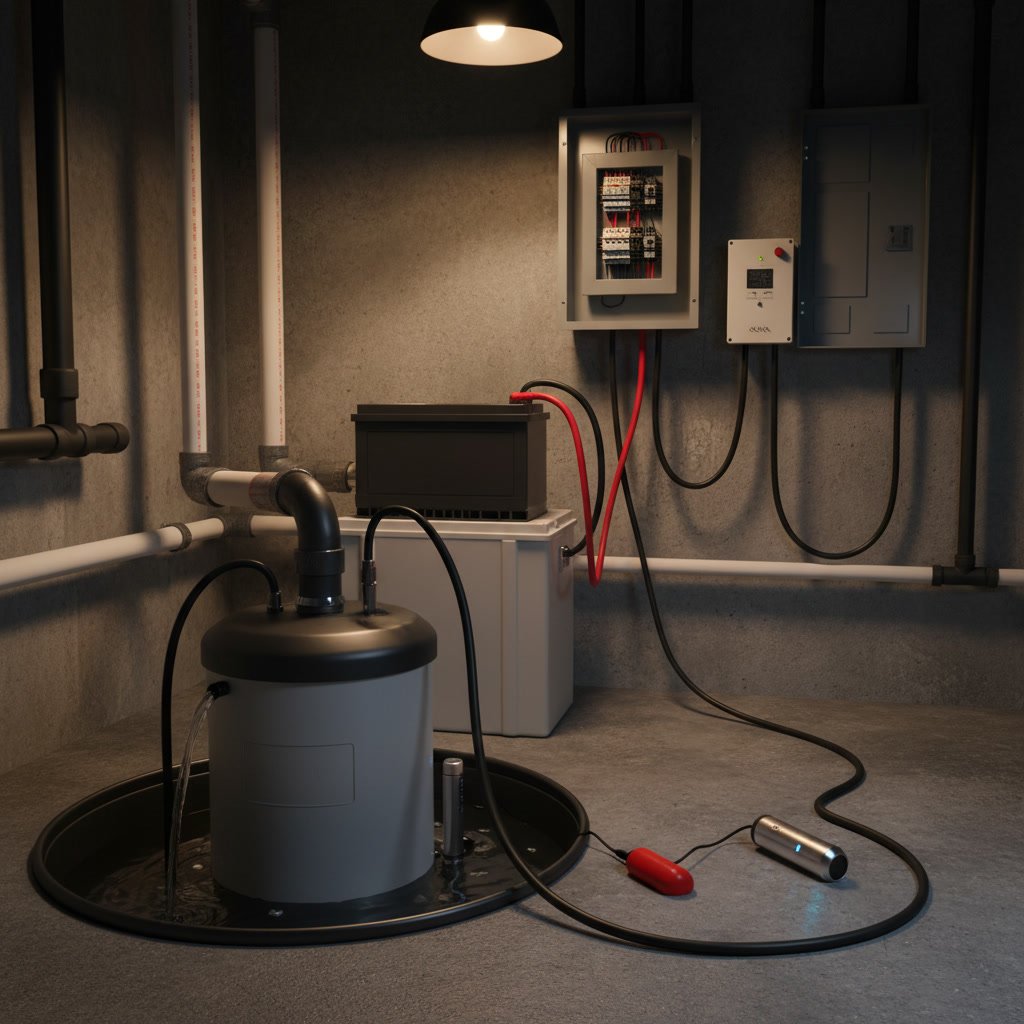
Electronic sensors draw continuous low-level power even when the pump sits idle. This drain remains negligible during normal operation but becomes relevant when integrating battery backup systems. The constant draw slightly reduces available backup runtime during power outages.
Float switches consume zero power until they mechanically close the circuit to start the pump. This makes them more efficient for battery backup configurations where every amp-hour matters. During extended outages common in New Hampshire ice storms, that efficiency difference extends protection by several hours.
Some homeowners install dual switches as redundant systems. A float switch serves as primary activation while an electronic sensor mounted higher acts as a secondary trigger if the float fails. This configuration provides an extra safety margin but requires careful calibration to prevent the switches from fighting each other.
Cost Analysis Beyond the Initial Purchase Price
Basic float switches cost between $15 and $40 as replacement parts. Electronic sensors range from $60 to $200 depending on technology sophistication. The upfront price difference seems significant until you factor in longevity and failure consequences.
A float switch that fails every four years and causes one minor flooding event costing $800 in cleanup creates a ten-year total cost of ownership around $1,600. An electronic sensor lasting seven years with no failure events costs perhaps $200 total. Even adding one professional maintenance visit annually at $75, the electronic sensor saves money over time.
These calculations assume you catch failures before major damage occurs. One significant flood requiring mold remediation and flooring replacement easily reaches $5,000 or more. The switch that prevents that single event pays for itself many times over.
Real-World Performance in Different Basement Conditions
High-volume sump systems that cycle frequently put more stress on mechanical float switches. The constant up-and-down motion wears pivot points faster than in basins that only activate during heavy rain. Electronic sensors show no performance degradation from frequent cycling since they have no wearing components.
Basements with occasional seepage rather than continuous groundwater flow create long idle periods. Float switches can develop sticking problems during extended inactivity as mineral deposits harden in pivot joints. Electronic sensors maintain readiness regardless of how long they sit unused.
Extremely cold basements near freezing temperatures favor electronic sensors that don’t rely on buoyant materials that might crack. Conversely, basements prone to power fluctuations or lightning strikes near the home may damage sensitive electronics while leaving simple mechanical floats unaffected.
Choosing the Right Switch for Long-Term Basement Protection
Electronic sensors prevent more failures overall when properly installed and maintained in typical residential conditions. Their 3-4% lower failure rate, immunity to mechanical jamming, and compact installation footprint make them the superior choice for most New Hampshire homes.
Float switches remain appropriate in specific situations. Homes with extremely hard water that would rapidly corrode electronic probes might be better served by mechanical switches with quarterly maintenance. Very tight budgets that can’t absorb the higher initial cost of electronic sensors can still achieve reliable protection with quality float switches and diligent upkeep.
The best protection combines quality equipment with professional installation and regular maintenance. A premium electronic sensor installed poorly fails faster than a basic float switch installed correctly. NH Dry Basement LLC evaluates your specific basement conditions, water chemistry, and usage patterns to recommend the switch technology that will serve you most reliably for years to come.
Protecting Your Home with the Right Equipment and Expertise
Switch selection represents just one decision in creating a comprehensive basement water management system. The sensor technology matters less than ensuring your entire system is designed, installed, and maintained to handle your property’s specific challenges.
Whether you need guidance on switch types, complete system installation, or maintenance on existing equipment, working with experienced professionals ensures your basement stays dry when it matters most. Our family-owned business has helped homeowners throughout New Hampshire protect their homes from water damage by combining proven technology with careful attention to each property’s unique needs.
If you’re concerned about your current sump pump reliability or want to upgrade to more dependable switch technology, +16032359598 connects you with our team. We’ll evaluate your system, explain your options clearly, and install equipment that provides years of worry-free protection.