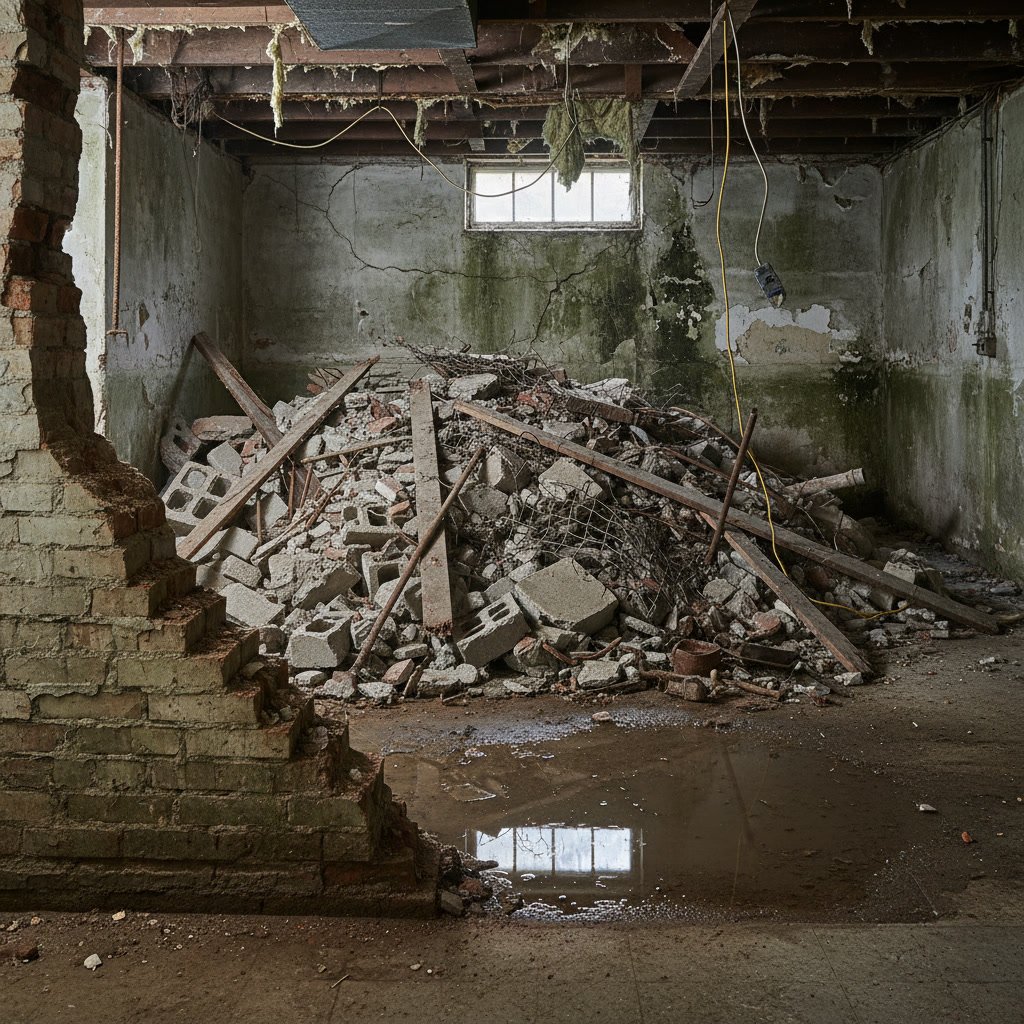
Professional mold prevention system installation involves a comprehensive approach that addresses moisture sources, air quality, and environmental controls in your basement. The process typically includes inspecting existing conditions, installing drainage components, adding dehumidification equipment, sealing foundation walls, and upgrading ventilation systems. Most installations take two to four days depending on basement size and the severity of existing moisture problems.
Why Basements in New Hampshire Create Perfect Conditions for Mold Growth
New Hampshire’s climate combines cold winters with humid summers, creating temperature fluctuations that cause condensation on basement walls and floors. Groundwater tables rise during spring thaw, putting pressure on foundation walls and allowing water seepage through cracks and joints. Most homes built before 1990 lack proper vapor barriers or adequate drainage systems, leaving basements vulnerable to moisture infiltration year-round.
Organic materials common in basements like wood framing, drywall, cardboard boxes, and paper provide food sources for mold spores. When humidity levels exceed 60 percent for extended periods, mold colonies establish themselves within 24 to 48 hours. The temperature range in most basements, between 60 and 80 degrees, falls within the ideal growth zone for common mold species.
The Initial Assessment That Determines Your Installation Approach
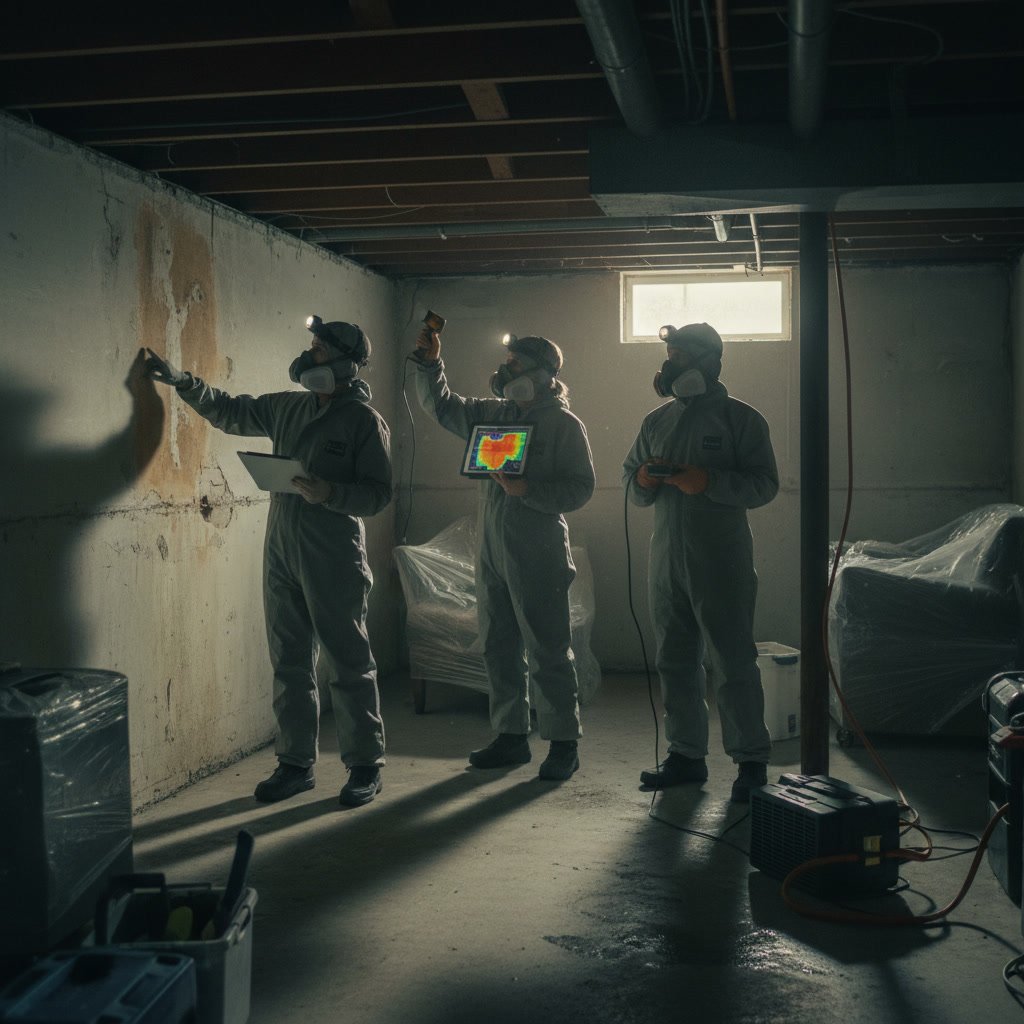
A thorough inspection identifies all moisture entry points, existing mold growth, and structural vulnerabilities before any equipment gets installed. Professionals use moisture meters to measure concrete humidity levels, infrared cameras to locate hidden water intrusion, and hygrometers to document ambient humidity levels. This data creates a baseline that determines which combination of systems your specific basement requires.
The assessment also examines your existing drainage systems, grading around the foundation, gutter performance, and interior floor slope. Many homeowners discover that their moisture problems stem from multiple sources rather than a single cause. A professional evaluation separates symptoms from root causes, preventing wasted investment in equipment that addresses effects rather than origins.
Eliminating Active Moisture Sources Before Installing Prevention Systems
Any existing water infiltration must be stopped before mold prevention equipment gets installed. Foundation cracks receive epoxy or polyurethane injection to create waterproof seals. Gaps around pipes, windows, and utility penetrations get filled with hydraulic cement or expanding foam designed for below-grade applications.
Exterior work often accompanies interior improvements. Downspouts may need extension to carry water at least six feet from the foundation. The soil grade around your home should slope away at a minimum of six inches over the first ten feet. These seemingly simple corrections eliminate significant moisture loads that would otherwise overwhelm even the best prevention systems.
Installing Interior Drainage Components That Redirect Groundwater
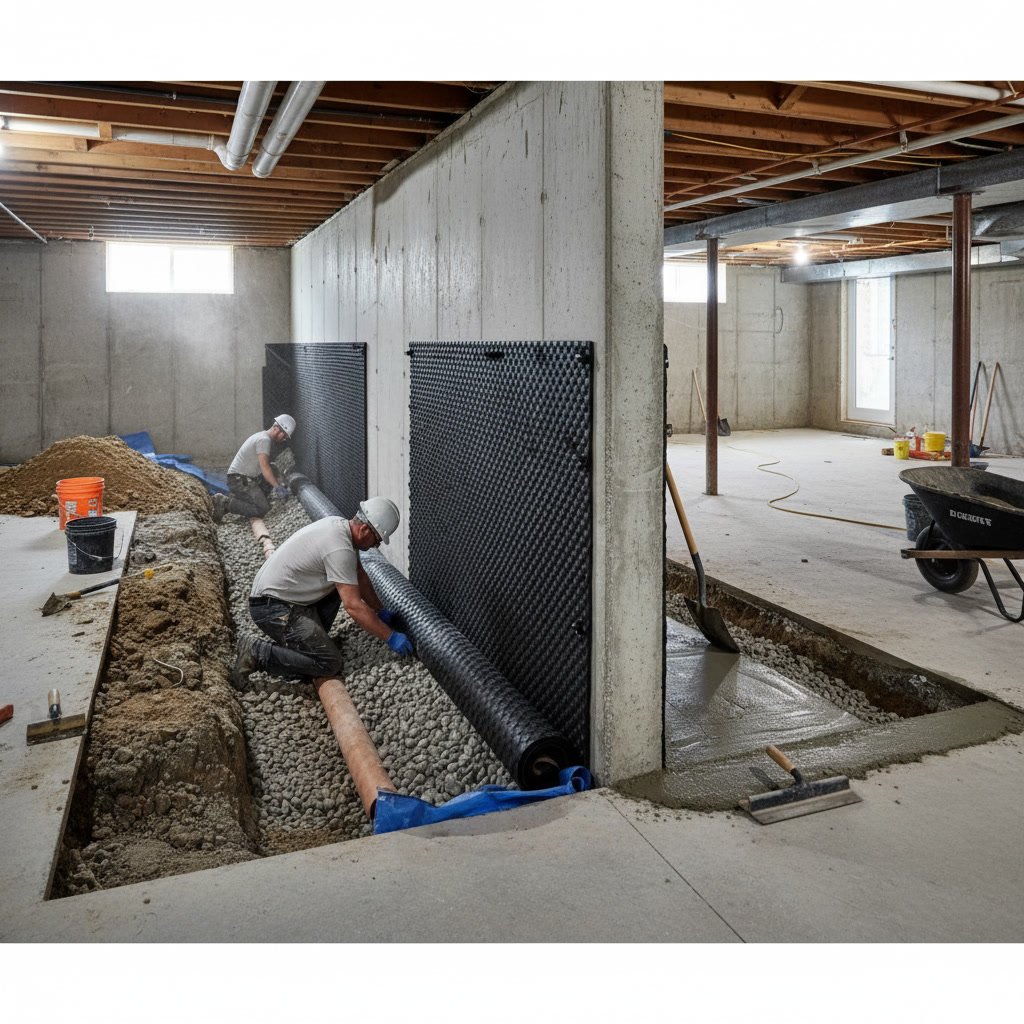
Interior perimeter drains capture water before it reaches your basement floor. Installation requires removing a 12-inch strip of concrete along foundation walls, excavating to footer depth, laying perforated drainage pipe in a gravel bed, and connecting the system to a collection basin. The concrete gets replaced after the drainage components are secured and tested.
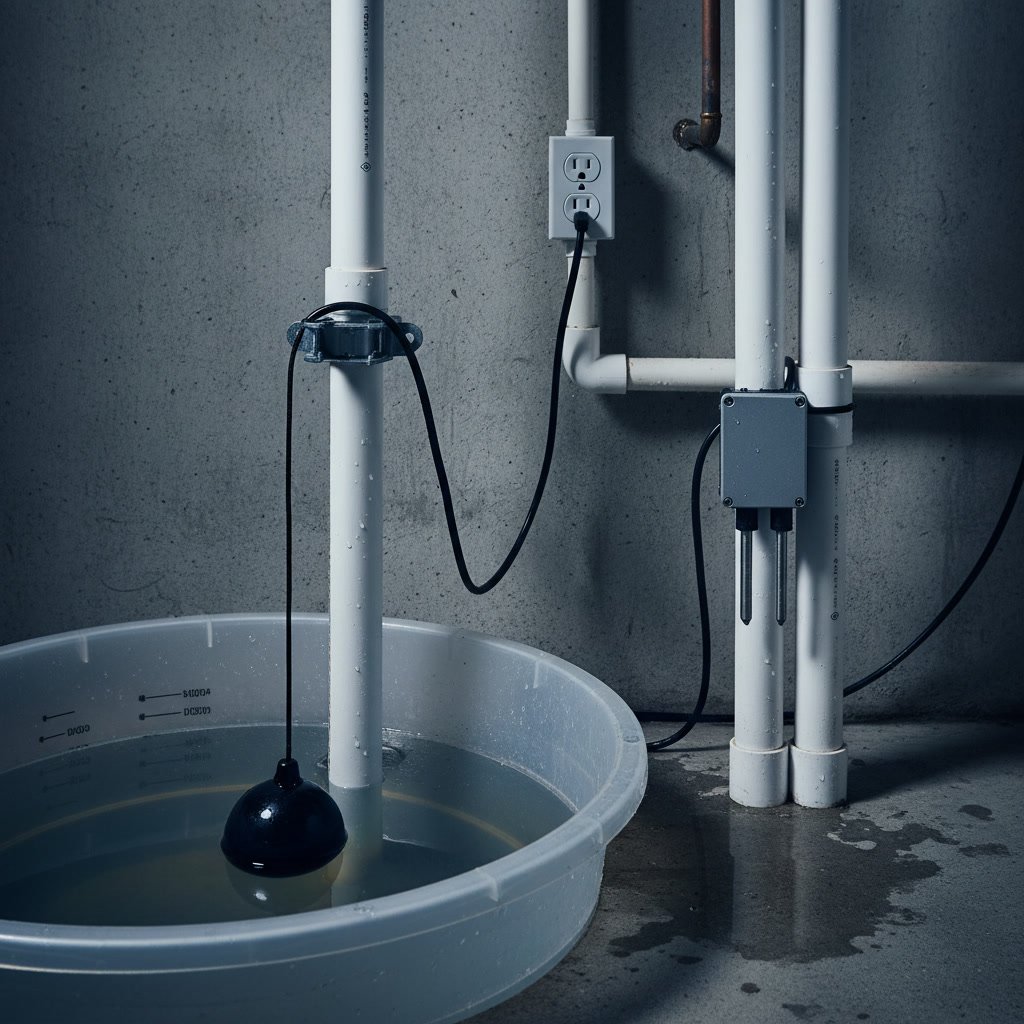
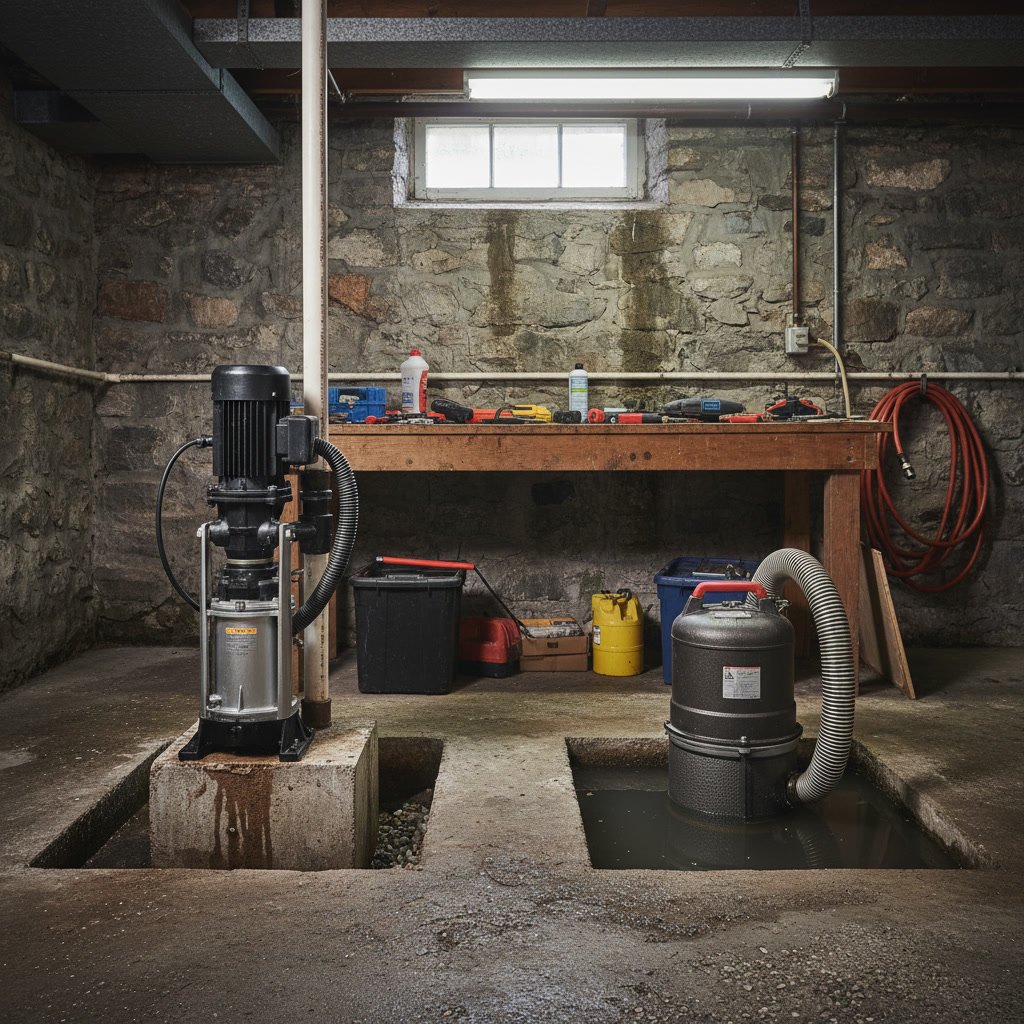
This approach proves more effective than exterior excavation in many cases because it addresses hydrostatic pressure from below the foundation rather than relying solely on exterior waterproofing membranes that can fail over time. The drainage pipe directs water to a sump basin where a pump removes it from the structure. Adding battery backups to sump pumps ensures continuous protection during power outages common in New Hampshire storms.
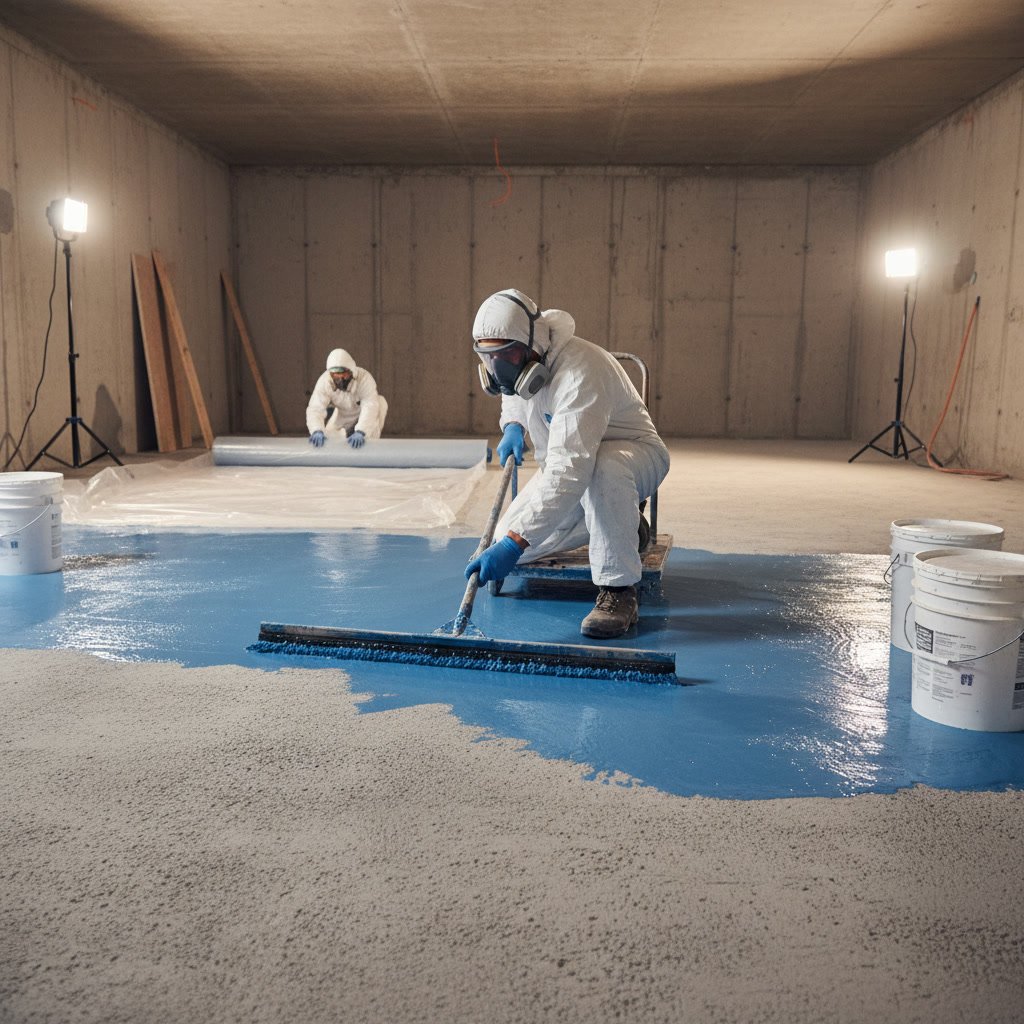
Vapor Barrier Application That Blocks Moisture Transmission Through Concrete
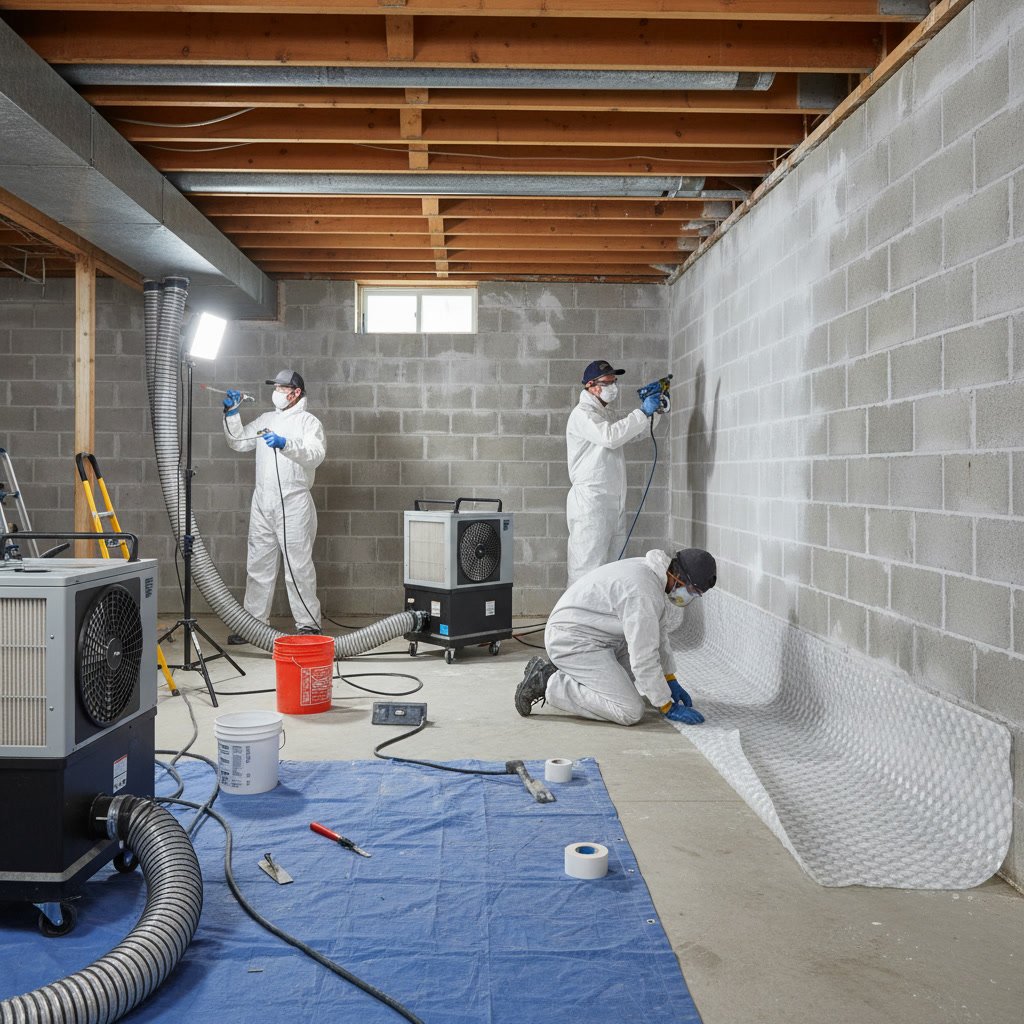
Concrete foundation walls absorb groundwater and release moisture vapor into basement air through a process called efflorescence. Professional vapor barrier installation stops this transmission by applying thick polyethylene sheeting or specialized membrane materials to walls and floors. The barriers get mechanically fastened and sealed at all seams with waterproof tape rated for below-grade conditions.
Wall barriers typically extend from the footer to just above grade level, with special attention paid to corners, pipe penetrations, and the wall-floor joint where water most commonly enters. Floor vapor barriers require careful preparation including cleaning, leveling, and sometimes applying a bonding primer before the membrane gets installed. When done correctly, these barriers reduce basement humidity by 30 to 50 percent even before mechanical dehumidification begins.
Dehumidification Equipment Sizing and Placement for Maximum Effectiveness
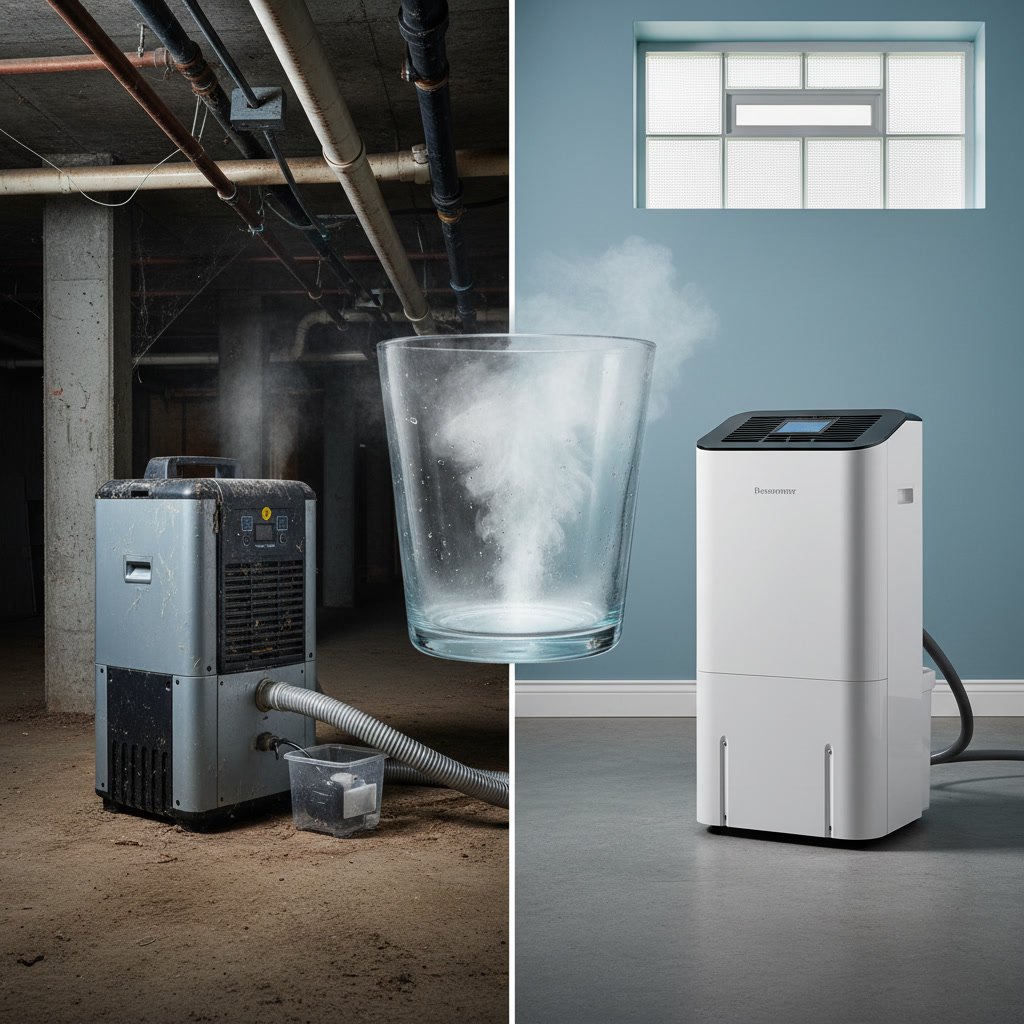
Portable consumer dehumidifiers cannot maintain the consistent conditions needed for mold prevention in most basements. Professional systems get sized based on your basement’s cubic footage, typical humidity levels, and air exchange rate. A 1,000-square-foot basement with eight-foot ceilings typically requires a unit capable of removing 70 to 90 pints per day, but heavily compromised spaces may need 130-pint commercial units.
Installation involves mounting the unit in a central location with adequate clearance for air circulation, running a dedicated condensate drain to your sump pit or floor drain, and connecting to a dedicated electrical circuit. The unit’s humidity sensor, called a humidistat, gets calibrated to maintain levels between 45 and 50 percent. This range prevents mold growth while avoiding the over-drying that can damage wood and cause discomfort.
Ventilation System Upgrades That Control Air Quality and Moisture Levels
Proper air movement prevents stagnant pockets where humidity concentrates and mold thrives. Many older homes rely on passive ventilation through foundation vents, but these actually introduce humid outdoor air during summer months, making moisture problems worse. Professional installations often include closing these vents permanently and installing mechanical ventilation that exchanges basement air on a controlled schedule.
Energy recovery ventilators bring in fresh outdoor air while exhausting stale basement air, transferring heat and humidity between the air streams to minimize energy loss. These systems work particularly well in finished basements where occupants spend significant time. Understanding how ventilation systems can sometimes make moisture problems worse helps homeowners appreciate why professional design matters more than simply adding fans.
Professional Mold Prevention System Installation in More Dover Basements
Homes in More Dover and surrounding communities face specific challenges from seasonal water table fluctuations and soil composition. The glacial till common throughout the region contains high clay content that holds water against foundations longer than sandy soils. Spring snowmelt combines with April and May rainfall to create peak moisture intrusion periods that test any prevention system.
Local contractors familiar with these conditions design installations that account for these patterns rather than applying generic solutions. NH Dry Basement LLC has worked in this area long enough to understand how different neighborhoods respond to seasonal changes and which system combinations provide reliable long-term protection. Family-owned businesses bring the kind of attention to detail and accountability that corporate operations often miss.
Testing and Calibration After All Components Are Installed
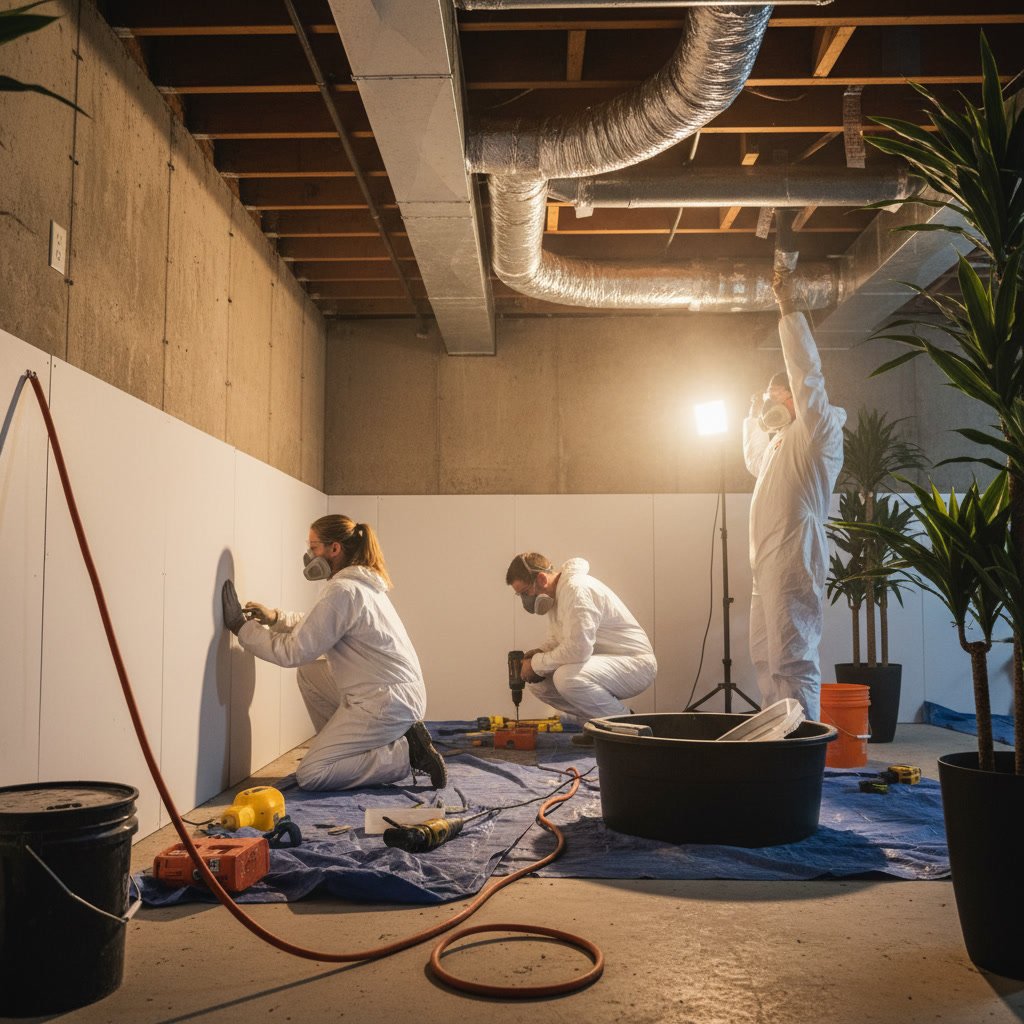
Once physical installation finishes, the entire system undergoes testing to verify proper operation. Drainage systems get water-tested to confirm flow rates and pump activation. Dehumidifiers run through multiple cycles while technicians monitor humidity reduction and condensate removal. Vapor barriers receive visual inspection for gaps, tears, or unsealed joints that would compromise effectiveness.
Calibration ensures all components work together rather than fighting each other. For example, aggressive dehumidification combined with insufficient ventilation can create negative air pressure that actually draws moisture through foundation walls. Professional installers balance these systems using pressure measurements and humidity mapping to verify uniform conditions throughout the space.
Maintenance Requirements That Keep Your System Working Long Term
Even the best installation requires regular maintenance to deliver lasting protection. Dehumidifier filters need cleaning or replacement every 30 to 60 days depending on dust levels. Condensate drains should be flushed quarterly to prevent algae buildup that can cause backups. Sump pumps require annual testing including float switch operation and discharge line verification.
Seasonal checks catch small problems before they become major failures. Before spring thaw, verify that all drainage components are clear and pumps activate properly. After heavy rains, inspect for any new cracks or seepage points that developed from ground movement. These simple habits extend equipment life by years and maintain the protective environment that prevents mold establishment.
Protecting Your Investment and Your Family’s Health
Professional mold prevention system installation addresses moisture at its sources through drainage improvements, blocks water transmission with vapor barriers, and maintains ideal conditions using properly sized dehumidification and ventilation equipment. The process takes several days but creates a permanently protected environment that stops mold growth and preserves your home’s structural integrity.
If your basement shows signs of moisture problems or you want to prevent issues before they start, NH Dry Basement LLC brings the local knowledge and professional expertise needed for installations that actually work. Our family-owned approach means we treat your home with the same care we’d give our own. Call +16032359598 to schedule a thorough assessment and learn which combination of systems will keep your basement dry and healthy for years to come.